Salicylic Acid Vs Benzoyl Peroxide for Acne Prone Skin in UK
Salicylic acid supports pore care. Benzoyl peroxide supports bacteria focused acne care. This is the main difference between salicylic acid and benzoyl peroxide.
One acne product can feel right for one spot and wrong for another. A blackhead, a whitehead, and a red sore pimple do not start in the same way. That is why the better choice is not only about strength. It is about matching the active to the type of acne on your skin.
Comparing salicylic acid and benzoyl peroxide, start with what you can see and feel. Salicylic acid is usually the better fit when pores look blocked. It suits blackheads, whiteheads, oily skin, and small bumps that keep returning around the nose, chin, or forehead.
Benzoyl peroxide is usually the better fit when pimples look red, swollen, and inflamed. It is often used for pustules and active spots that feel sore or angry. These breakouts need a different type of support than simple pore congestion.
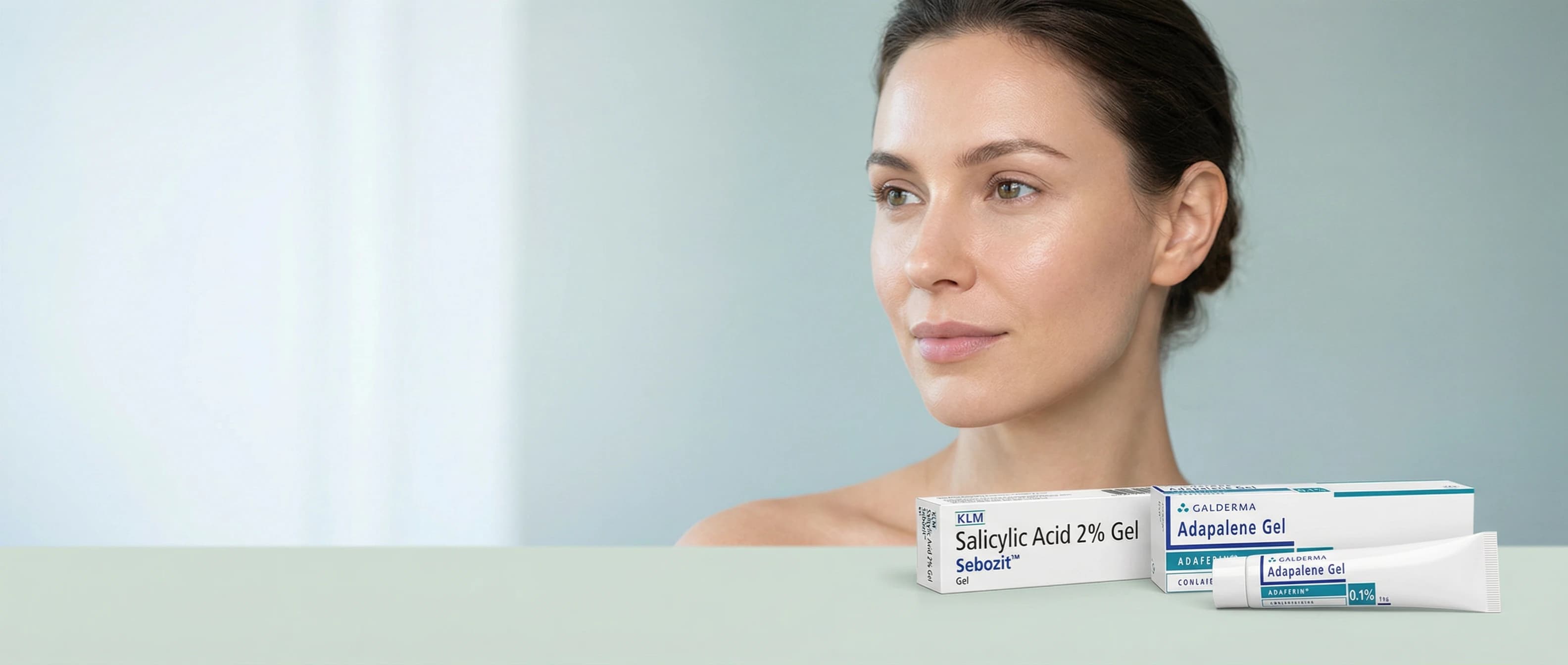
Based on our findings, some routines may include both actives, but not every skin type can handle them together. Dryness, peeling, tightness, or stinging can mean the routine is too much. For example, Sebozit Salicylic Acid 2% Gel for acne care, while Benzac AC Benzoyl Peroxide Gel 2.5% fits the benzoyl peroxide side. Our store skincareproduct.co.uk can help readers compare both options, but the safest choice still depends on acne type and skin tolerance.
The difference between salicylic acid and benzoyl peroxide

Salicylic acid and benzoyl peroxide are both used for acne, but they do not work in the same way. One is more focused on pore buildup. The other is more focused on inflamed spots.
What salicylic acid does inside oily pores
Salicylic acid is a BHA, which means it can work well in oily areas of the skin. Acne often starts when sebum, dead skin, and daily buildup collect inside pores. This can lead to blackheads, whiteheads, and small clogged bumps.
Salicylic acid helps loosen that buildup so pores look clearer over time. It is often a better match when the skin feels oily, rough, or congested. This is why many people compare salicylic acid vs benzoyl peroxide for blackheads before choosing an acne active.
What benzoyl peroxide does for inflamed spots
Benzoyl peroxide works in a different way. It is often used when acne looks red, swollen, or filled with pus. These spots are more inflamed and may feel sore to touch.
In plain English, benzoyl peroxide releases oxygen in the pore. Acne causing bacteria do not like that oxygen rich setting. This helps explain why benzoyl peroxide is often used for pustules, red pimples, and active inflamed breakouts.
Why both can help acne in different ways
Salicylic acid supports pore care. Benzoyl peroxide supports bacteria focused acne care. This is the main difference between salicylic acid and benzoyl peroxide.
One is not better for every person. If your acne is mainly clogged pores, salicylic acid may make more sense. If your acne is mainly red and inflamed, benzoyl peroxide may fit better. If you have both types, the routine needs more care because using both can increase dryness and irritation.
Visit also for: Tretinoin Strength Guide for Acne, Dark Spots & Wrinkles
Salicylic acid vs benzoyl peroxide for acne concerns
A clear choice starts with the type of acne you have. Use this table as a quick guide before adding any active to your routine.
|
Acne concern |
Better first choice |
Reason |
|
Blackheads |
Salicylic acid |
It suits oil buildup and dead skin inside clogged pores. |
|
Whiteheads |
Salicylic acid |
It can help when small closed bumps form from blocked pores. |
|
Oily T zone |
Salicylic acid |
It fits oily areas such as the nose, chin, and forehead. |
|
Red pimples |
Benzoyl peroxide |
It is often a better fit for red and inflamed active spots. |
|
Pustules |
Benzoyl peroxide |
It targets acne bacteria linked with pus filled breakouts. |
|
Clogged pores |
Salicylic acid |
It works well when the main problem is congestion inside pores. |
|
Hormonal acne breakouts |
Depends on the breakout type |
Use salicylic acid for clogged bumps and benzoyl peroxide for inflamed pimples. |
|
Back acne |
Depends on the acne type |
Salicylic acid may suit clogged pores, while benzoyl peroxide may suit inflamed spots. |
|
Sensitive skin |
Salicylic acid |
It is often easier to tolerate, but any active can still irritate sensitive skin. |
|
Mixed acne |
Both may help |
A careful routine may need pore care and inflamed spot care, but not too much at once. |
When salicylic acid may work better

Salicylic acid may work better when acne starts with blocked pores rather than red swelling. It fits skin that feels oily, bumpy, or congested. This type of acne often needs pore care before bacteria focused care.
Blackheads and whiteheads
When comparing salicylic acid vs benzoyl peroxide for blackheads, salicylic acid is usually the better first choice. Blackheads form when oil and dead skin collect inside the pore. Whiteheads form in a similar way, but the blockage stays closed under the skin.
Salicylic acid can work well here because it suits oily pore buildup. It helps clear the kind of congestion that keeps blackheads and whiteheads coming back.
Oily skin and blocked pores
Oily skin can trap more sebum inside pores. When that mixes with dead skin, the pore can become blocked. This can leave the skin looking rough, shiny, or uneven.
Salicylic acid may be useful when mild bumps keep returning in the same oily areas. It fits repeated congestion around the nose, chin, forehead, and other oily zones.
Mild hormonal acne patterns
Salicylic acid vs benzoyl peroxide for hormonal acne depends on the type of breakout. Some hormonal acne appears as clogged bumps, oily patches, and repeat whiteheads. In that case, salicylic acid may be the better starting point.
Other hormonal acne can become deep, sore, or inflamed. Benzoyl peroxide may suit red active pimples better, but painful or deep acne needs proper advice. If breakouts feel cystic, swollen, or leave marks, speak to a qualified skin professional.
Also visit for: Collection of Tretinoin Creams for dark spots
When benzoyl peroxide may work better

Benzoyl peroxide may work better when acne looks red, swollen, or sore. This type of breakout is more inflamed than a simple clogged pore. It often needs bacteria focused care rather than pore care alone.
Red and inflamed pimples
-
Benzoyl peroxide is often a better fit for red pimples and pustules.
-
These spots may feel tender, raised, swollen, or painful when touched.
-
Some pimples may contain pus or look angry around the edges.
-
This active helps target acne bacteria linked with inflamed breakouts.
-
It may suit spots that look sore, not just blocked.
Active breakouts that keep returning
-
Some people get repeated inflamed spots in the same areas.
-
These areas may include the chin, cheeks, jaw, chest, or back.
-
If spots keep returning red and swollen, bacteria focused care may make more sense.
-
Benzoyl peroxide can support routines where active pimples are the main concern.
-
It may be less useful when the main issue is only blackheads or whiteheads.
Body and back acne
-
Salicylic acid vs benzoyl peroxide for back acne depends on the breakout type.
-
If the back feels bumpy and clogged, salicylic acid may be a better fit.
-
If spots are red, sore, or inflamed, benzoyl peroxide may suit the concern better.
-
Clothing, sweat, and friction can make back acne more irritated.
-
Benzoyl peroxide can bleach fabric, towels, and bedding, so this matters for body use.
-
If the skin becomes dry, tight, or sore, reduce active use and focus on comfort before adding more.
Can you use salicylic acid and benzoyl peroxide together?
Yes, some people can use salicylic acid and benzoyl peroxide together, but the skin must be able to tolerate both. These actives can support different acne concerns, but using too much at once can make acne prone skin feel dry and irritated.
Why using both can help some acne routines
The answer to “can you use salicylic acid and benzoyl peroxide together” depends on the type of acne you have. Salicylic acid may help when pores are blocked with oil and dead skin. Benzoyl peroxide may help when spots are red, sore, and inflamed.
This can make both useful in a mixed acne treatment routine. For example, one active may support clogged pores, while the other supports inflamed pimples. The key is to avoid treating every area of the face in the same way.
Why using both can irritate the skin
Both actives can dry the skin, especially when used too often. Dryness, peeling, stinging, tightness, and burning are signs that the routine may be too strong.
When the skin barrier feels uncomfortable, acne can look more inflamed. Some people may also notice more redness or rough texture. If this happens, reduce active use and focus on keeping the skin calm.
Safer ways to think about spacing
How to use salicylic acid and benzoyl peroxide together should start with spacing, not layering. This means you can think about separate concerns, separate times, or alternate use.
Salicylic acid may suit areas with blackheads, whiteheads, and clogged pores. Benzoyl peroxide may suit active red pimples. Some people prefer using different actives at different times, while others use them on different days.
Do not start both if your skin already feels dry, sore, or sensitive. A slower routine is often easier to keep consistent than a stronger routine that the skin cannot handle.
Also read for: Skincare Essentials for Oily, Dry and Sensitive Skin
Salicylic acid and benzoyl peroxide gel products in a UK routine

- Gel products can be useful when acne appears in certain areas, such as the chin, forehead, nose, cheeks, or back. Tretinoin Gels for Clogged Pores may also be researched by people with oily or acne prone skin, but they should not be added without checking irritation risk.
- Sebozit Salicylic Acid 2% Gel 30g fits the salicylic acid side of acne care.
- It may suit blackheads, whiteheads, oily areas, and clogged pores.
- These concerns often start when sebum, dead skin, and buildup collect inside the pore.
- Benzac AC Benzoyl Peroxide Gel 2.5% 30g fits the benzoyl peroxide side of acne care.
- It may suit red pimples, pustules, and sore active spots.
- These breakouts often need bacteria focused support, not only pore care.
- Salicylic acid and benzoyl peroxide gel choices should match your acne type.
- Choose salicylic acid when congestion is the main concern.
- Choose benzoyl peroxide when inflamed pimples are the main concern.
- Skin tolerance still matters, even when the product format feels simple.
- If your skin feels tight, dry, sore, or starts peeling, the routine may need less active use.
Common mistakes that make acne worse
Even good acne actives can cause problems when the routine becomes too strong. Salicylic acid and benzoyl peroxide need the right place in the routine. A Guide for Tretinoin Cream 0.025% vs 0.05% vs 0.1% may help readers understand retinoid strength, but this article focuses on salicylic acid and benzoyl peroxide for acne type. They should not be treated like quick fixes for every spot.
Using acne actives in too many steps
A common mistake is using acne actives in a cleanser, toner, serum, gel, and spot treatment at the same time. This can overload the skin and make acne look more irritated.
Pick the active that matches your main concern. Use salicylic acid for clogged pores and benzoyl peroxide for red active pimples. More active steps do not always mean better results. When comparing all skincare products, choose by acne type, active ingredient, skin tolerance, and whether the concern is clogged pores or inflamed spots.
Ignoring dryness and peeling
Dryness, peeling, tightness, and stinging are warning signs. They often mean the skin is struggling with the routine.
If you ignore these signs, the skin may become more sensitive. Acne can then look redder and feel harder to manage. A calmer routine is often better than pushing through irritation.
Skipping moisturiser
Some people avoid moisturiser because they think it will make oily skin worse. This can backfire. Acne prone skin still needs comfort and hydration.
A light moisturiser can help reduce dryness from salicylic acid or benzoyl peroxide. It can also make the routine easier to keep using.
Forgetting daytime SPF
Daytime SPF matters when treating acne. UV exposure can make post spot marks look darker and more visible, even in the UK. Skin Brightening Products for Post-Acne Marks may support uneven tone, but sunscreen and acne control still matter when new spots keep forming.
Sunscreen SPF such as sunroof lotion or UV Doux Sunscreen also helps protect skin that feels dry or sensitive from acne actives. It should stay part of the routine when you are trying to manage spots and marks together. Understanding Acne Marks vs Dark Spots can help separate leftover colour changes from active acne, clogged pores, and deeper scarring.
Expecting blackheads and inflamed pimples to respond the same way
Blackheads and inflamed pimples are not the same acne concern. Blackheads often start with oil and dead skin inside pores. Inflamed pimples are more linked with swelling, redness, and acne bacteria.
This is why one active may not solve every breakout type. A comparison of Azelaic Acid vs Tretinoin is a different acne and pigmentation question, but it also depends on the main concern and skin tolerance. Salicylic acid may suit blocked pores better. Benzoyl peroxide may suit inflamed spots better. Matching the active to the acne type keeps the routine more sensible.
When to get professional advice in the UK

Most mild acne can be managed with a simple routine, but some breakouts need proper support. Do not keep adding stronger actives if your skin is getting worse.
Speak to a qualified skin professional if your acne feels painful, deep, swollen, or cystic. These spots can be harder to manage with basic acne care and may leave marks or scars if they keep returning.
You should also get advice if acne is affecting your confidence or daily life. Skin concerns are not only about appearance. Ongoing breakouts can feel stressful, especially when they do not improve after consistent care.
Extra care is also needed if you are pregnant, breastfeeding, allergic to aspirin, or have eczema, psoriasis, or very reactive skin. Skin Relief Creams for Eczema may be relevant when the barrier is already irritated, but acne actives should still be chosen carefully. Salicylic acid and benzoyl peroxide can both irritate the skin if they do not suit your needs. A professional can help you choose a safer acne plan.
FAQs
Which is better benzoyl peroxide or salicylic acid?
It depends on your acne type. Salicylic acid is often better for blackheads, whiteheads, oily skin, and clogged pores. Benzoyl peroxide is often better for red, swollen, and inflamed pimples.
Can you use benzoyl peroxide and salicylic acid together?
Yes, some people can use them in the same acne routine. The risk is dryness, peeling, stinging, and irritation. If your skin is sensitive, it is safer to use one active first and see how your skin responds.
Does benzoyl peroxide get rid of blackheads?
Benzoyl peroxide is not usually the best first choice for blackheads. Blackheads are linked more with oil and dead skin inside pores. Salicylic acid often suits blackheads better because it focuses more on clogged pores.
Which is best for pimples, salicylic acid or benzoyl peroxide?
For red, sore, or pus filled pimples, benzoyl peroxide is often the better fit. For small bumps, whiteheads, and clogged pores, salicylic acid may make more sense. Match the active to the type of pimple.
Is benzoyl peroxide or salicylic acid faster?
Benzoyl peroxide may feel more direct for active red pimples because it targets acne bacteria. Salicylic acid may take time because it focuses on pore buildup and congestion. Fast results are not the only goal. Skin comfort matters too.
Should I use benzoyl peroxide first or salicylic acid?
Use salicylic acid first if your main issue is blackheads, whiteheads, oily skin, or clogged pores. Use benzoyl peroxide first if your main issue is inflamed pimples, pustules, or sore active spots.
What type of pimples is benzoyl peroxide good for?
Benzoyl peroxide is often used for red, inflamed pimples and pustules. These spots may look swollen, tender, or angry. It may be less useful when the main concern is only blackheads or closed bumps.
Is salicylic acid or benzoyl peroxide better for face acne?
For face acne, the better choice depends on what you see. Salicylic acid may suit oily areas, clogged pores, and blackheads. Benzoyl peroxide may suit inflamed pimples on the cheeks, chin, jaw, or forehead. If your face feels dry or irritated, reduce active use and get advice if needed.
Conclusion
Salicylic acid and benzoyl peroxide can both help acne prone skin, but they fit different problems. Salicylic acid is usually the better choice when acne starts with oily pores, blackheads, whiteheads, and repeated congestion. Benzoyl peroxide is often a better fit when spots look red, swollen, sore, or pus filled.
Some people may need both, especially when clogged pores and inflamed pimples happen together. Still, using both too often can make the skin dry, tight, flaky, or irritated. A careful routine should match the acne type and respect skin tolerance.
The best choice is not the harshest active. It is the one that fits what your skin is showing now. If acne feels painful, cystic, or keeps leaving scars, speak to a qualified skin professional before adding more active products.