Tretinoin Cream 0.025% vs 0.05% vs 0.1% Guide for Acne, Wrinkles & Dark Spots
Introduction: Why Choosing the Right Tretinoin Strength Matters Choosing between tretinoin cream 0.025% , 0.05% and 0.1% can feel confusing, especially if you are new to topical…
Introduction: Why Choosing the Right Tretinoin Strength Matters
Choosing between tretinoin cream 0.025%, 0.05% and 0.1% can feel confusing, especially if you are new to topical retinoids. Many people think a stronger tretinoin cream will always give better results. In real skin routines, that is not always true.
Higher strengths can increase skin cell turnover faster. They may also cause more dryness, peeling, redness and sensitivity. When irritation becomes too much, many users reduce use or stop completely. That often slows progress more than using a lower strength consistently.
The best tretinoin strength is the one your skin can tolerate long term. A calm skin barrier usually supports better results than aggressive peeling. Based on our findings at skincareproduct.co.uk, many users get better progress when they choose a strength that fits their skin type, concern and tolerance level.
UK users also need to think about the weather. Cold air, indoor heating and dry winter months can make the skin feel tighter. Summer sun, holidays and outdoor time can increase UV exposure. This matters because tretinoin can make skin more sensitive to sunlight.
This guide compares tretinoin cream 0.025%, 0.05% and 0.1% for acne, wrinkles, dark marks, uneven skin tone, irritation and long term skin tolerance. Many users also explore broader skincare product routines when comparing tretinoin strengths for long term skin support. It will help you understand which strength may suit your skin without pushing it too far.
Tretinoin Strength Comparison: 0.025% vs 0.05% vs 0.1%

This comparison shows one clear point: higher strength does not always mean a better choice. Tretinoin cream 0.1% may work faster on the surface, but it also brings the highest risk of dryness, peeling and redness. For many UK users, that can make the routine harder to keep.
|
Factor |
Tretinoin 0.025% |
Tretinoin 0.05% |
Tretinoin 0.1% |
|
Strength level |
Low |
Medium |
Highest |
|
Best for |
Beginners and sensitive skin |
Regular users |
Experienced users |
|
Acne support |
Mild acne and clogged pores |
Moderate acne |
Stubborn or resistant acne |
|
Wrinkle support |
Early fine lines |
Moderate lines |
Deeper wrinkles |
|
Pigmentation support |
Mild uneven tone |
Moderate dark marks |
Resistant discolouration |
|
Dryness risk |
Lower |
Moderate |
High |
|
Peeling risk |
Lower |
Moderate |
Higher |
|
Redness risk |
Lower |
Moderate |
Higher |
|
Renewal speed |
Gradual |
Steady |
Fast |
|
Barrier stress |
Lower |
Balanced |
Higher |
|
Long term tolerance |
Easier to maintain |
Good for many users |
Harder to maintain |
|
Skin type match |
Sensitive or reactive skin |
Normal, combination and mildly oily skin |
Thick or highly tolerant skin |
|
Beginner friendly |
Yes |
Sometimes |
Usually no |
|
Best use case |
Starting or maintenance |
Balanced results |
Advanced use only |
How Tretinoin Works on the Skin
Tretinoin is a topical retinoid and a vitamin A derivative. It works inside the skin by helping skin cells renew at a faster, more regular pace. This makes it different from basic cosmetic creams that only sit on the surface.
The main action of tretinoin is skin cell turnover. Older surface cells shed more efficiently, while newer cells move upward. This process can help reduce clogged pores, rough texture, blackheads, whiteheads and post-acne marks over time.
Tretinoin also supports collagen activity with long term use. This is why many people use it for fine lines, wrinkles, uneven skin texture and early signs of aging. Results do not happen overnight. The skin needs time to adjust before smoother texture and clearer pores become more visible.
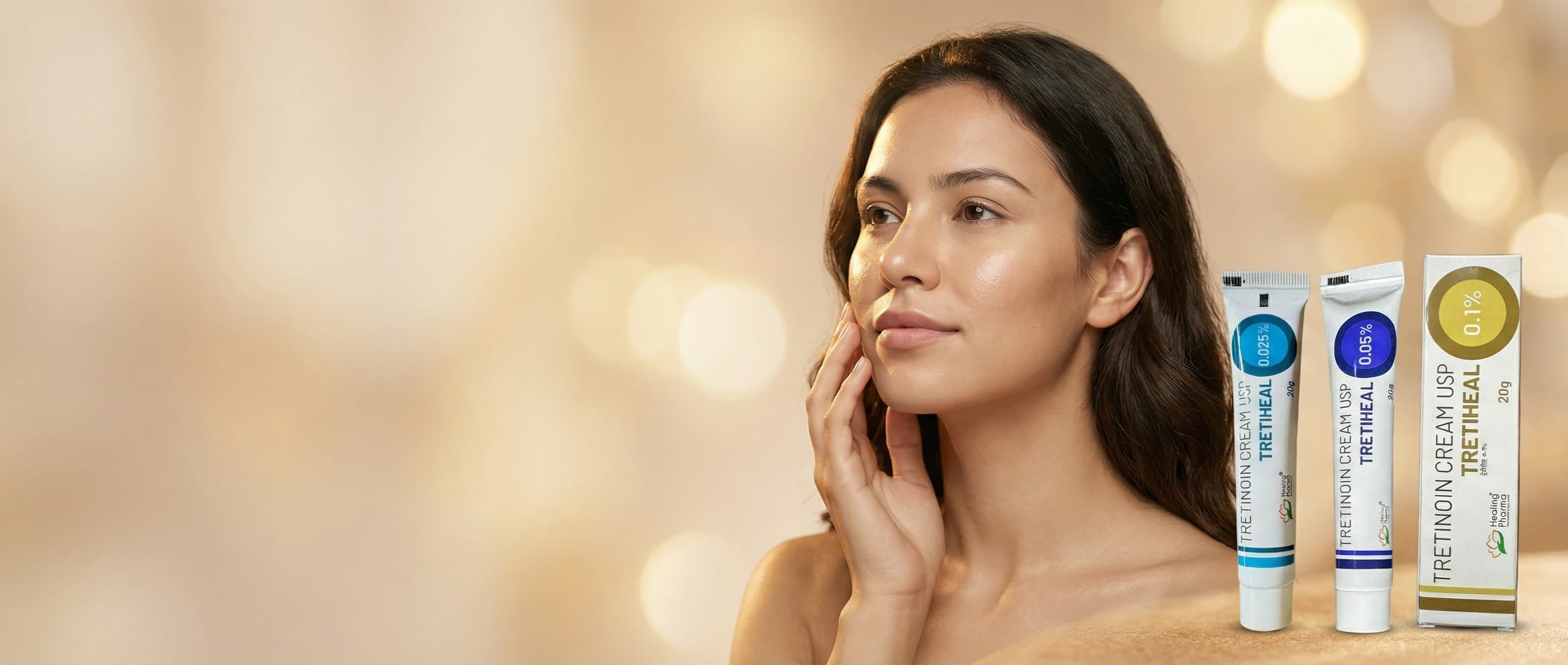
All three strengths work through the same pathway. These strengths are commonly compared together inside tretinoin creams collection options for acne, wrinkles and uneven skin tone support.
-
Tretinoin 0.025%
-
Tretinoin 0.05%
-
Tretinoin 0.1%
The difference is not how they work. The difference is how strongly they push renewal. A higher strength can increase visible peeling and dryness faster, but that does not always mean better long term progress.
Our analysis shows that skin tolerance often matters more than strength alone. Once the skin gets enough retinoid activity, moving higher may only increase irritation for some users. For many UK users, the best result comes from steady use, daily sunscreen and a routine that protects the skin barrier.
Tretinoin 0.025%: A Lower Strength for Beginners and Sensitive Skin

Tretinoin 0.025% is usually the easiest strength to start with. It gives the skin a slower adjustment phase, which helps reduce early irritation. This matters for beginners because the skin often needs time to get used to tretinoin.
This lower strength can still support acne, clogged pores, early fine lines and uneven tone. It may work more slowly than tretinoin cream 0.05% or 0.1%, but slower does not mean weaker in the long term. Many people get better results when they can use tretinoin regularly without constant dryness, peeling or redness.
Tretinoin 0.025% is best suited for:
-
First time tretinoin users
-
Sensitive or reactive skin
-
Dry or easily irritated skin
-
Mild acne and small clogged pores
-
Early fine lines
-
Mild uneven skin tone
-
Skin that struggles with stronger actives
-
Users who want long term maintenance
For UK users, this strength can feel more comfortable during colder months. Cold wind, indoor heating and dry air can make the skin barrier weaker. Starting with 0.025% may help the skin adjust without adding too much stress.
Based on our findings, 0.025% often works well when the goal is steady progress, not fast peeling. It is a sensible choice for users who want to build tolerance before thinking about a higher strength.
Tretinoin 0.05%: The Middle Strength Many Users Stay With
Tretinoin 0.05% is the middle strength between 0.025% and 0.1%. It gives stronger skin renewal than 0.025%, but it usually feels more manageable than 0.1%. This makes it a practical option for many users who want visible progress without pushing the skin too hard.
This strength often suits people dealing with moderate acne, recurring breakouts, clogged pores and rough texture. It can also support fine lines, early wrinkles, uneven tone and moderate dark marks over time. For many UK users with normal, combination or mildly oily skin, 0.05% gives a good balance between results and tolerance.
Tretinoin 0.05% is best suited for:
-
Moderate acne and recurring breakouts
-
Clogged pores and rough skin texture
-
Fine lines and early wrinkles
-
Uneven skin tone
-
Moderate pigmentation or dark marks
-
Normal, combination and mildly oily skin
-
Users who already tolerate 0.025% well
-
Long term skin renewal routines
Many users do not need to move beyond 0.05%. With regular use, it can support clearer pores, smoother texture, collagen activity and more even looking skin. Our analysis shows that 0.05% often gives the best balance between skin improvement and daily comfort.
The key is patience. Tretinoin works best when the routine stays consistent. If 0.05% causes dryness or peeling, reducing frequency often works better than moving down too quickly. A simple routine with moisturiser and daily SPF can help the skin stay comfortable while it adapts.
Tretinoin 0.1%: When the Highest Strength May Be Too Much
Tretinoin 0.1% is the highest strength in this comparison. It gives the strongest renewal effect, but it also brings the highest risk of irritation. This strength usually suits experienced users, not beginners.
It may suit people with resistant acne, deep clogged pores, thicker skin, advanced texture concerns or deeper wrinkles. It can also suit users who already tolerate retinoids well and need a stronger option after months of steady use.
The main concern is skin barrier stress. Tretinoin 0.1% can cause stronger peeling, dryness, redness, tightness and sensitivity. If the skin becomes too irritated, progress can slow down because the routine becomes harder to maintain.
Based on our findings, many users do not need 0.1% for long term results. Tretinoin 0.05% often gives strong improvement with fewer setbacks. The highest strength only makes sense when the skin can handle it without ongoing soreness or inflammation.
Which Strength Is Better for Acne?

Tretinoin can help acne by supporting skin cell turnover and keeping pores clearer. Many users build a long term acne treatment routine around tretinoin when managing breakouts, clogged pores and oily skin. The right strength depends on acne severity, skin tolerance and how easily your skin gets irritated.
If you are deciding whether to focus on active breakouts or pigmentation left behind, our Best Skincare Routine for Acne vs Dark Spots guide may also help. Stronger does not always mean better, especially if redness and peeling make the routine hard to continue.
Mild Acne and Clogged Pores
Tretinoin 0.025% often suits mild acne, small clogged pores, blackheads and whiteheads. It works at a slower pace, but it can still support clearer pores with regular use.
This strength is a good starting point for beginners and sensitive skin. For mild acne, steady use often matters more than choosing a higher strength too early.
Moderate Breakouts
Tretinoin 0.05% often fits moderate acne and recurring breakouts. It gives stronger pore support than 0.025% and may help with rough texture, oily areas and blocked pores.
This middle strength can work well when acne keeps coming back, but the skin still needs a routine it can tolerate. Based on our findings, 0.05% often gives the best acne support for many regular users.
Stubborn Acne
Tretinoin 0.1% may suit stubborn or resistant acne when lower strengths do not give enough progress. It pushes skin renewal more strongly and may help with deeper clogged pores.
The downside is irritation. If peeling, redness or dryness becomes too strong, the skin may feel inflamed. This can make acne care harder, not easier.
Why Irritation Can Slow Acne Progress
A damaged skin barrier can make acne-prone skin more reactive. The skin may feel sore, tight and red, and simple products may start to sting.
Our analysis shows that acne routines work better when the skin stays calm. A lower strength used consistently can often give better long term progress than a stronger option used with frequent breaks.
Which Strength Is Better for Wrinkles and Texture?

Tretinoin can support fine lines, wrinkles and rough texture by increasing skin cell turnover. It also helps support collagen activity with long term use. The right strength depends on your skin age, dryness level, tolerance and how easily your barrier becomes stressed.
Early Fine Lines
Tretinoin 0.025% can suit early fine lines and mild texture changes. It gives gradual renewal without pushing the skin too hard.
This strength often works well for dry, sensitive or mature skin. It may take longer, but steady use can still support smoother looking skin over time.
Moderate Wrinkles
Tretinoin 0.05% often gives the best balance for wrinkles and uneven texture. It supports stronger renewal than 0.025%, while staying easier to tolerate than 0.1%.
Many UK users choose this strength for long term anti ageing routines. Based on our findings, 0.05% often works well when the goal is visible improvement without constant peeling.
Deeper Wrinkles and Photoaging
Tretinoin 0.1% may suit deeper wrinkles, rough texture and more advanced photoaging. It gives the strongest renewal effect in this comparison.
The risk is dryness and irritation. Mature skin can struggle with 0.1%, especially if it already feels thin, dry or sensitive.
Long Term Collagen Support
Collagen support takes time. Tretinoin does not work like a quick resurfacing treatment. A higher strength does not always mean better long term results. Regular use, sunscreen, moisturiser and a calm skin barrier often matter more than moving to the highest strength too soon.
Which Strength Is Better for Dark Marks and Uneven Tones?

Tretinoin can help dark marks, uneven skin tone and post-acne pigmentation by supporting steady skin renewal. It is also commonly compared alongside skin brightening creams when users focus on pigmentation and uneven tone concerns. It helps older pigmented cells shed while newer cells move to the surface. This can make the skin look more even over time.
Strength choice matters with pigmentation. Too much irritation can trigger redness, inflammation and more post-inflammatory hyperpigmentation, especially in darker skin tones. For UK users, SPF still matters daily because UVA can affect the skin even on cloudy days.
Tretinoin 0.025% may suit sensitive skin, mild dark marks, post-acne marks, first time users and pigmentation-prone skin. It gives slower renewal, but it can reduce the risk of barrier stress.
Tretinoin 0.05% may suit moderate pigmentation, uneven tone and acne marks with rough texture. It often works well for users who already tolerate retinoids and want stronger renewal without jumping to the highest strength.
Tretinoin 0.1% may suit resistant discoloration, but only for experienced users with strong skin tolerance. Based on our findings, this strength can cause more peeling and inflammation, which may make dark marks look worse if the skin barrier becomes stressed.
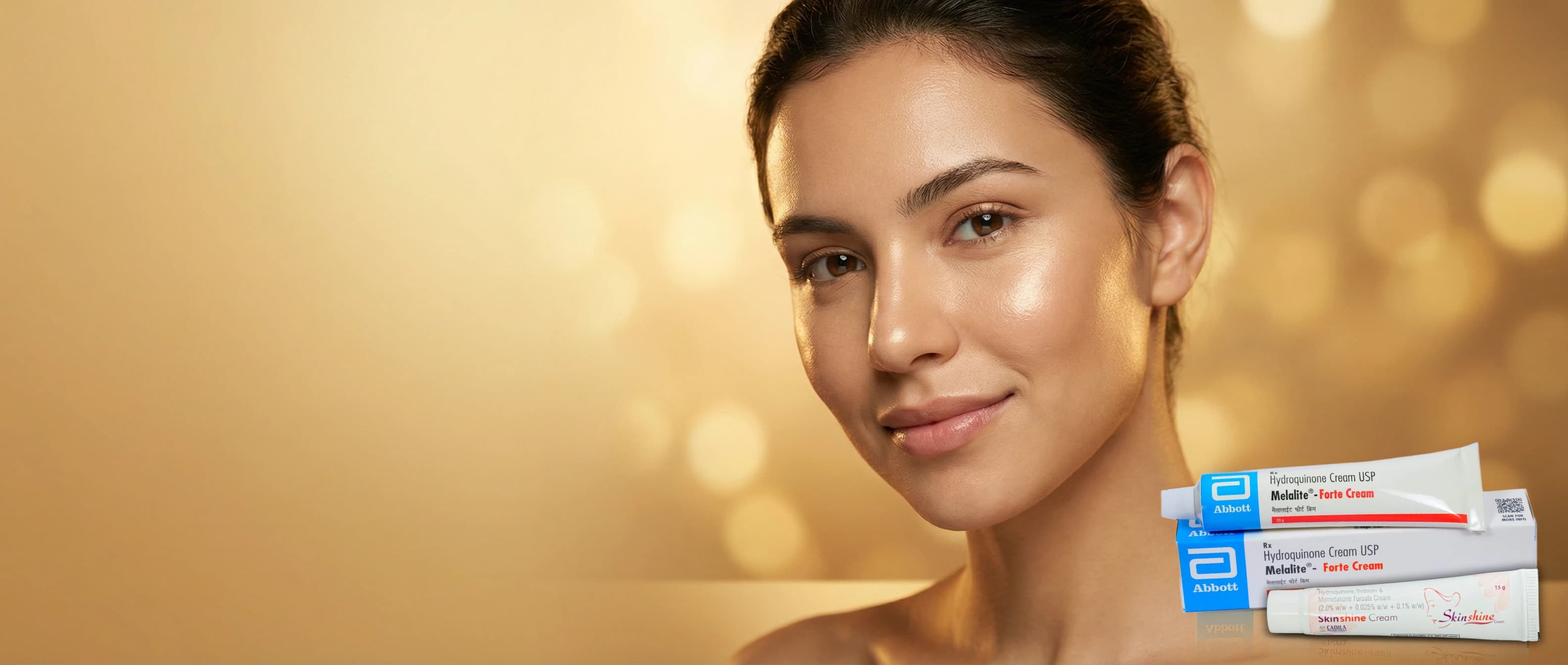
For pigmentation, the goal is controlled renewal, not harsh peeling. Users interested in targeted pigmentation support can also read our Hydroquinone Cream Used for Dark Spots and Melasma in the UK guide. A simple routine with moisturiser and daily sunscreen often supports better long term results than using a strength the skin cannot tolerate.
Cream vs Gel: Does Texture Change How Strong Tretinoin Feels?
Tretinoin cream and tretinoin gel can contain the same active strength, but they may feel different on the skin. Texture affects comfort, dryness, absorption and how easy the routine feels day to day.
Cream formulas usually suit dry skin, sensitive skin, mature skin and people who feel tightness easily. They often feel more comfortable in UK winter routines, when cold wind and indoor heating can make the skin barrier drier. Creams also pair well with moisturiser and barrier support.
Gel formulas usually suit oily skin, acne-prone skin and combination skin. Many users with oily or breakout prone skin also compare products inside tretinoin gel collection ranges because lighter textures often feel more comfortable during regular use. They feel lighter, absorb faster and leave less residue. This can help users who dislike heavier creams or feel greasy during the day.
The main difference is tolerance. A tretinoin gel may feel stronger than a cream at the same percentage because it can feel more drying. For example, 0.05% gel may feel more intense than 0.05% cream for some users.
Based on our findings, texture choice should match skin type as much as strength. Dry or sensitive skin often does better with cream. Oily or clogged skin may prefer gel, as long as peeling and redness stay controlled.
How UK Weather Can Affect Tretinoin Tolerance
UK weather can change how your skin handles tretinoin. The same strength may feel fine in one season, then feel too drying in another. This is why skin tolerance should guide your routine, not just the percentage on the tube.
Winter often makes tretinoin feel stronger. Cold wind, low humidity and indoor heating can pull moisture from the skin. This may increase dryness, tightness, peeling and stinging, especially with tretinoin 0.05% or 0.1%.
During colder months, many users need more moisturiser support and fewer active products. A lower strength like 0.025% may also feel easier for sensitive or dry skin. Based on our findings, barrier support becomes more important when the weather turns cold.
Summer brings a different issue. Longer days, holidays and more outdoor time can increase UV exposure. Many users also include Sunroof Sunscreen lotion in daytime skincare routines because tretinoin can increase sun sensitivity during regular use. Tretinoin can make the skin more sun sensitive, so daily SPF matters even when the sky looks cloudy.
Cloudy UK weather can still expose skin to UVA. This matters for acne marks, dark spots, melasma style pigmentation and uneven tone. A simple routine with moisturiser and sunscreen can help protect the skin while tretinoin does its work.
How to Start Without Damaging Your Skin Barrier
Starting tretinoin slowly helps your skin build tolerance without causing too much dryness, peeling or redness. This matters because a weak skin barrier can make even simple products sting. It can also make acne marks and uneven tone look worse.
Begin with a low frequency, especially if you are new to tretinoin. Use it two nights per week at first, then increase only when your skin feels calm. Do not rush to nightly use. Your skin needs time to adjust.
A simple starting routine should include:
-
Use tretinoin 2 nights per week at first
-
Apply only a pea-sized amount for the full face
-
Use it on clean, fully dry skin
-
Follow with a gentle moisturiser
-
Apply sunscreen every morning
-
Avoid harsh acids and scrubs in the early phase
Moisturiser and sunscreen are not optional support steps. Gentle cleansers, moisturizers and SPF products are often considered skincare essentials during tretinoin routines. They help reduce irritation and protect the skin while tretinoin increases renewal. Based on our findings, users often tolerate tretinoin better when they keep the routine simple and avoid adding too many active products too soon.
When to Stay Lower, Move Up, or Reduce Use
Your skin should guide your tretinoin strength. Do not move up just because a higher percentage sounds stronger. The right time to change depends on comfort, tolerance and visible skin response.
Stay on a lower strength if you notice:
-
Ongoing dryness between applications
-
Peeling that does not settle
-
Redness that lasts more than a day
-
Stinging when applying moisturiser
-
Tight, sore or shiny skin
-
Dark marks looking more inflamed
-
Frequent breaks because your skin feels stressed
You may consider moving up if:
-
Your skin feels calm with regular use
-
Dryness stays mild and manageable
-
Peeling is light and temporary
-
Redness fades quickly
-
You can use tretinoin without recovery breaks
-
Your acne, texture or pigmentation has stopped improving after months
-
Your skin already tolerates your current strength well
Reduce use if your skin feels irritated. This does not mean tretinoin is not working. It usually means your skin needs more recovery time. Use fewer nights, add moisturiser support and avoid harsh acids until the barrier feels settled.
Based on our findings, steady tolerance gives better long term results than forcing a stronger routine. A lower strength used well often beats a higher strength used with constant irritation.
Side Effects Comparison Across All Strengths
Common tretinoin side effects include:
-
Dryness
-
Peeling
-
Redness
-
Tightness
-
Mild stinging
-
Flaking
-
Increased sun sensitivity
-
Temporary acne worsening
-
Irritation with other active products
If burning, soreness or severe peeling continues, the strength or frequency may be too much for your skin. Some users also explore skin relief creams when dryness, redness or irritation become difficult during stronger tretinoin use.
Pregnancy and Breastfeeding Safety Note
Avoid tretinoin during pregnancy, while trying to conceive, and during breastfeeding unless your doctor gives personal advice. This applies to 0.025%, 0.05% and 0.1%, because all strengths contain the same active ingredient.
If you are pregnant, planning pregnancy or breastfeeding, choose a safer skincare option after speaking with a qualified healthcare professional.
Frequently Asked Questions
Is tretinoin 0.025% good for beginners?
Yes. Tretinoin 0.025% is usually the best starting strength for beginners and sensitive skin. It gives the skin time to adjust while still supporting acne, clogged pores, fine lines and uneven tone. Many UK skincare guides also suggest starting low before moving higher.
Is tretinoin 0.05% stronger than 0.025%?
Yes. Tretinoin 0.05% is stronger than 0.025%. It can support faster skin renewal, but it may also cause more dryness, peeling and redness. This is why many users only move to 0.05% after their skin tolerates a lower strength well.
Is tretinoin 0.1% too strong for most people?
For many users, yes. Tretinoin 0.1% has the highest irritation risk in this comparison. It may suit experienced users with resistant acne, deeper wrinkles or strong skin tolerance, but it is usually not the best first choice.
Which tretinoin strength is best for acne?
Tretinoin 0.025% may suit mild acne and clogged pores. Tretinoin 0.05% often suits moderate acne and recurring breakouts. Tretinoin 0.1% may suit stubborn acne, but only if the skin can tolerate it. Tretinoin helps acne partly by keeping pores clear and supporting skin cell turnover.
Which tretinoin strength is best for wrinkles?
Tretinoin 0.05% often gives the best balance for fine lines, wrinkles and skin texture. It supports stronger renewal than 0.025%, but it is usually easier to maintain than 0.1%. For deeper wrinkles, 0.1% may be considered only when the skin already tolerates tretinoin well.
Can tretinoin help dark marks and uneven skin tone?
Yes, tretinoin may help dark marks, post-acne marks and uneven tone by supporting skin renewal. The key is controlled use. Too much irritation can make pigmentation look worse, especially in darker skin tones.
Does tretinoin make skin more sensitive to the sun?
Yes. Tretinoin can increase sun sensitivity, so daily SPF is important. This matters in the UK too, because UVA can still affect skin on cloudy days. Sunscreen helps protect against redness, irritation and dark marks while using tretinoin.
Is tretinoin cream better than gel?
Cream may suit dry, sensitive or mature skin because it often feels more comfortable. Gel may suit oily, acne-prone or combination skin because it feels lighter. The same percentage can feel different depending on texture.
Can I use tretinoin every night?
Not at the start. Most beginners should start slowly, such as two nights per week. Increase only when the skin feels calm. Daily use too early can cause dryness, peeling and barrier stress.
When should you move up to a stronger tretinoin strength?
You may consider moving to a stronger tretinoin strength if your skin feels stable, dryness stays manageable and progress has slowed after months of regular use. If your skin still feels sore, tight, red or irritated, staying at your current strength often makes more sense.
Can tretinoin make acne worse at first?
Some users notice temporary worsening when they start tretinoin. This may happen as clogged pores come to the surface. If acne becomes painful, inflamed or severe, reduce frequency and seek advice from a qualified professional.
Can I use tretinoin while pregnant or breastfeeding?
Avoid tretinoin during pregnancy, while trying to conceive and during breastfeeding unless your doctor gives personal advice. This applies to all strengths, including 0.025%, 0.05% and 0.1%. NHS guidance also advises avoiding topical retinoids during pregnancy.
Conclusion
Tretinoin 0.025% usually suits beginners, sensitive skin and users who want a slower adjustment phase with lower irritation risk. Tretinoin 0.05% often gives the best balance for acne, fine lines, uneven tone and long term skin renewal. Tretinoin 0.1% is mainly suited to experienced users with resistant acne or deeper texture concerns who already tolerate retinoids well.
Based on our findings, consistency matters more than choosing the strongest percentage too early. Many users also browse shop all products sections when comparing tretinoin strengths with other long term skincare support options. A routine that protects the skin barrier with moisturiser and daily SPF often gives better long term results than aggressive peeling or constant irritation.