Hydroquinone Cream in the UK | What to Know About Melasma, Dark Spots
Dark spots, melasma, acne marks, and post-inflammatory hyperpigmentation can become harder to manage in South Africa because of strong UV exposure, heat, and repeated skin irritation. This guide explains how hydroquinone cream, sunscreen, skin barrier care, azelaic acid, and gentle pigmentation support fit into a safer long-term approach for uneven skin tone and stubborn discoloration.
Dark spots can take months to fade. For many people, they stay much longer than the original breakout or irritation. This is why searches for hydroquinone cream UK and hyperpigmentation treatment UK continue to grow.
Some people deal with melasma on the cheeks or upper lip. Others struggle with post-inflammatory hyperpigmentation after acne clears. In many cases, regular skincare no longer seems enough. Vitamin C, exfoliating acids, and brightening serums may help mild discoloration, but stubborn pigmentation often behaves differently.
According to our findings at skincareproduct.co.uk, many UK users start looking into hydroquinone after trying multiple routines without consistent improvement. A common pattern we found involves over-layering active skincare. People mix strong acids, retinoids, scrubs, and spot treatments together, hoping for faster results. Instead, the skin barrier becomes irritated, and dark patches can appear even deeper.
Hydroquinone cream for melasma UK searches also reflect growing interest in prescription-style skincare. Many users want clearer information before trying stronger pigment treatments. Questions around safety, irritation, and long-term use are especially common in the UK.
Another issue is confusion caused by social media skincare advice. Short videos often promote aggressive routines without explaining inflammation, UV exposure, or recovery time. This creates unrealistic expectations. Pigmentation rarely fades overnight, especially in darker skin tones where excess melanin production can continue after irritation settles.
Hydroquinone is often discussed as a stronger option for stubborn dark spots, acne marks, and uneven skin tone. It works differently from standard cosmetic brightening products because it targets melanin production through the tyrosinase pathway. Still, stronger treatment does not always mean better results. Our analysis shows that irritation, redness, and repeated skin stress can make discoloration harder to manage over time.
Why People Search for Hydroquinone Cream in the UK

Many people search for hydroquinone cream UK after dark spots stop fading with regular skincare. Common concerns include melasma, post-inflammatory hyperpigmentation (PIH), acne marks, sun spots, and uneven skin tone.
Some users notice discoloration becoming darker after acne, irritation, or over-exfoliation. This often happens when the skin barrier becomes damaged from mixing strong acids, retinol, scrubs, or too many active products together. According to our findings, inflammation itself can trigger excess melanin production, especially in darker skin tones where melanocytes stay active longer after irritation.
Many UK users searching for hydroquinone cream for melasma UK or hyperpigmentation treatment UK have already tried Vitamin C, exfoliating acids, or brightening serums without consistent improvement. This usually leads them toward stronger, prescription-style skincare options.
Our analysis at skincareproduct.co.uk also shows growing interest in hydroquinone prescription UK searches because users want clearer answers around safety, irritation, short treatment cycles, and realistic expectations before trying stronger pigmentation treatments.
What Causes Hyperpigmentation and Melasma?

Melanin and Pigment Production Explained Simply
-
Melanin is the pigment that gives skin its natural colour.
-
Melanocytes are the skin cells responsible for producing melanin.
-
Tyrosinase is an enzyme involved in melanin production.
-
When tyrosinase activity increases, dark spots and discoloration can appear.
-
UV exposure from sunlight can trigger excess pigment production.
-
Visible light and heat may also worsen melasma in some people.
-
Inflammation from acne, irritation, or skin injury can leave behind post-inflammatory hyperpigmentation (PIH).
-
Hormonal changes are strongly linked with melasma, especially around the cheeks, forehead, and upper lip.
-
According to our findings, repeated skin irritation often keeps melanocytes active for longer, especially in darker skin tones.
Why Pigmentation Can Become Harder to Fade Over Time
-
Repeated sun exposure can keep triggering melanin production.
-
Aggressive exfoliation may damage the skin barrier and worsen hyperpigmentation.
-
Picking acne can increase inflammation and leave deeper acne marks.
-
Overusing strong skincare products may lead to redness, irritation, and uneven skin tone.
-
Inflammation cycles can keep reactivating pigmentation even after marks begin fading.
-
Some people stop sunscreen once spots lighten slightly, which allows discoloration to return again.
-
Our analysis shows many stubborn dark spots become harder to manage because the skin never fully recovers between irritation cycles.
Is Hydroquinone Available in the UK?
Hydroquinone is a regulated ingredient in the UK, especially in stronger concentrations like hydroquinone 4%. Many users search “hydroquinone prescription UK” because stronger depigmenting treatments usually require more careful use than standard brightening ingredients like kojic acid or arbutin. According to our findings, these restrictions mainly exist to reduce irritation, skin barrier damage, and long-term pigmentation risks linked with misuse.
What Skin Concerns Does Hydroquinone Usually Target?
Melasma
-
Brown or grey patches, often on the cheeks, forehead, or upper lip
-
Commonly linked with hormonal triggers, UV exposure, and visible light
-
Can return easily after sun exposure
Post-Inflammatory Hyperpigmentation (PIH)
-
Dark marks left after inflammation or skin injury
-
Common after acne, irritation, eczema, or aggressive skincare
-
Often lasts longer in darker skin tones
- Many people also read our Acne Marks vs Dark Spots guide to better understand whether their discoloration is linked to post acne pigmentation, melasma, or other forms of uneven skin tone.
Acne Marks
-
People dealing with recurring breakouts often combine pigmentation support with Acne Treatments to help reduce new post-acne marks over time.
-
Usually appear as flat brown spots after breakouts heal
-
Different from deep acne scars or textured skin damage
-
Picking acne may worsen discoloration
Sun Spots and Age Spots
-
Caused by repeated UV exposure over time
-
Often appear on the cheeks, nose, forehead, or hands
-
More common with long-term sun damage
Uneven Brown Patches After Skin Irritation
-
Can appear after over-exfoliation, burns, or strong skincare reactions
-
Skin barrier damage may increase melanin production
-
Red marks usually relate to inflammation or blood vessels, while brown marks involve excess melanin.
-
Surface pigmentation often fades faster than deeper discoloration.
-
According to our findings, hydroquinone may not work equally well for every type of pigmentation or discoloration.
Why Some Dark Spots Become Worse Instead of Better

Many dark spots become worse because the skin stays inflamed for too long. According to our findings, over-exfoliation, excessive peeling, and mixing too many active ingredients can damage the skin barrier and trigger more hyperpigmentation instead of fading it.
Common causes include:
-
using strong acids too often
-
layering retinoids with exfoliants. Some oily or acne prone users also explore Tretinoin Gels because lighter textures may feel easier to tolerate during active skincare routines.
-
skipping broad-spectrum sunscreen
-
trying stronger products too quickly. Beginners with oily or acne prone skin also compare tretinoin gel 0.025% because lower strengths are often easier to tolerate during early retinoid use.
-
social media skincare routines without recovery time
-
picking acne or irritated skin
Inflammation itself can increase melanin production, especially in darker skin tones where pigmentation often lasts longer after irritation settles. Gentle moisturizers and barrier focused products inside Skincare Essential creams routines may help support skin recovery during pigmentation treatment.
When a Gentler Brightening Option May Be Better
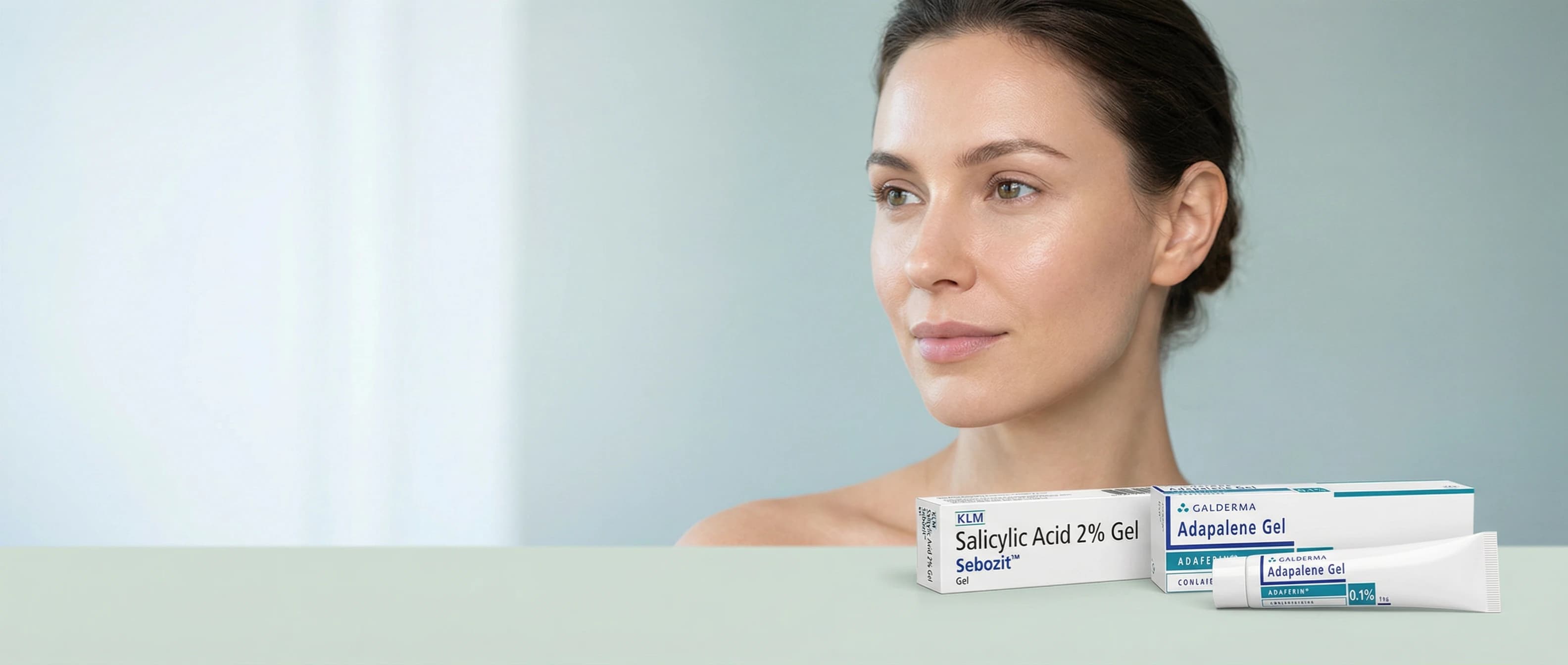
A gentler option may suit better when skin is sensitive, redness-prone, or already irritated. Mild acne marks, dullness without clear dark patches, and a damaged skin barrier may not need strong depigmenting treatment first. Azelaic acid, kojic acid, arbutin, or vitamin C may support uneven skin tone with less irritation risk. Many people also compare products inside Skin Brightening Products when looking for pigmentation focused skincare support. According to our findings, gentler maintenance options often work better when pigmentation is mild or the skin reacts easily.
Hydroquinone vs Azelaic Acid vs Kojic Acid and Arbutin

|
Ingredient |
Often Used For |
Skin Type Considerations |
Main Limitation |
|
Hydroquinone |
Stubborn hyperpigmentation, melasma, dark spots |
Usually used carefully and in short treatment cycles |
Irritation risk with misuse |
|
Azelaic Acid |
Acne marks, redness, uneven skin tone, PIH |
Often suits sensitive or acne-prone skin |
Can cause early stinging or dryness |
|
Kojic Acid |
Mild discoloration and dull skin tone |
Usually considered gentler for maintenance support |
Visible changes may take longer |
|
Arbutin |
Mild brightening support and uneven tone |
Better tolerated by many users |
Less effective for deeper pigmentation |
Visit Also for: Tretinoin and Azelaic Acid | Which is Better for Acne Marks?
The Sunscreen Rule Most People Miss

Many people focus only on treatment creams while ignoring daily UV exposure. Users researching pigmentation support also compare options inside Sunscreen collection ranges because daily SPF plays an important role in long term discoloration control. Melasma and hyperpigmentation can return quickly without broad-spectrum sunscreen, even in UK weather where cloudy days create a false sense of protection. According to our findings, visible light, heat exposure, and repeated sun exposure can still worsen discoloration, especially in darker skin tones prone to post-inflammatory pigmentation.
Side Effects: What Is Normal and What Is Not
Common Early Reactions
-
Mild dryness during the first few weeks
-
Temporary redness or slight irritation
-
Mild stinging after application
-
Increased sensitivity if the skin barrier is already weak
Signs That Should Not Be Ignored
-
Severe burning or painful irritation
-
Worsening hyperpigmentation or uneven discoloration
-
Cracking, swelling, or persistent inflammation
-
Skin becoming darker after repeated irritation
-
Ongoing redness that does not settle. Some users with irritation prone skin also compare Skin Relief Creams for Dermatitis when the skin barrier feels stressed during active skincare routines.
Understanding Exogenous Ochronosis
-
A rare skin complication linked with unsafe prolonged application
-
Usually associated with long-term misuse of hydroquinone
-
Higher risk in darker skin tones with repeated overuse
-
Can cause blue-grey or patchy discoloration over time
-
According to our findings, short treatment cycles and proper skin monitoring are important for reducing unnecessary risks.
Can You Use Hydroquinone With Tretinoin?
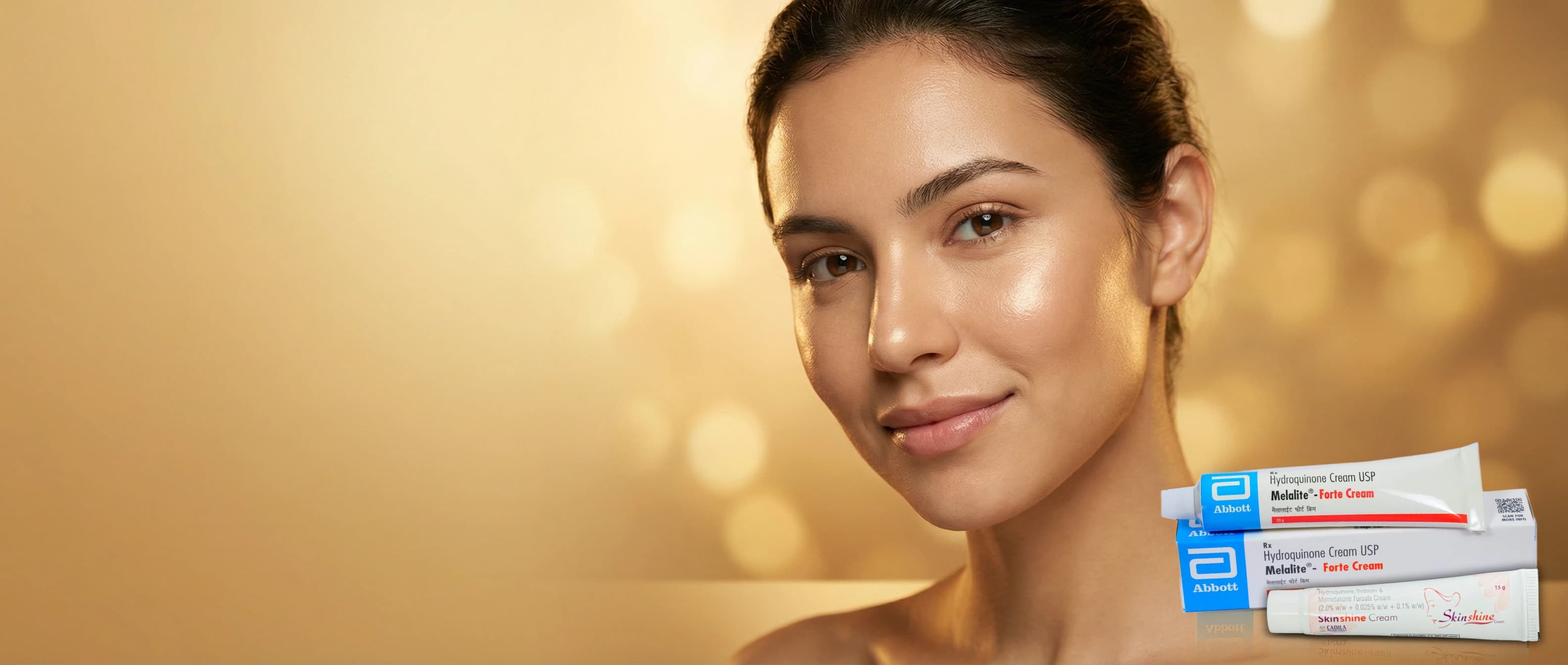
Hydroquinone and tretinoin creams are sometimes used in the same pigmentation plan because they work differently. Some users also search for Skinshine Cream while researching combined pigmentation focused skincare ingredients. Hydroquinone targets excess melanin production, while tretinoin supports skin renewal and texture.
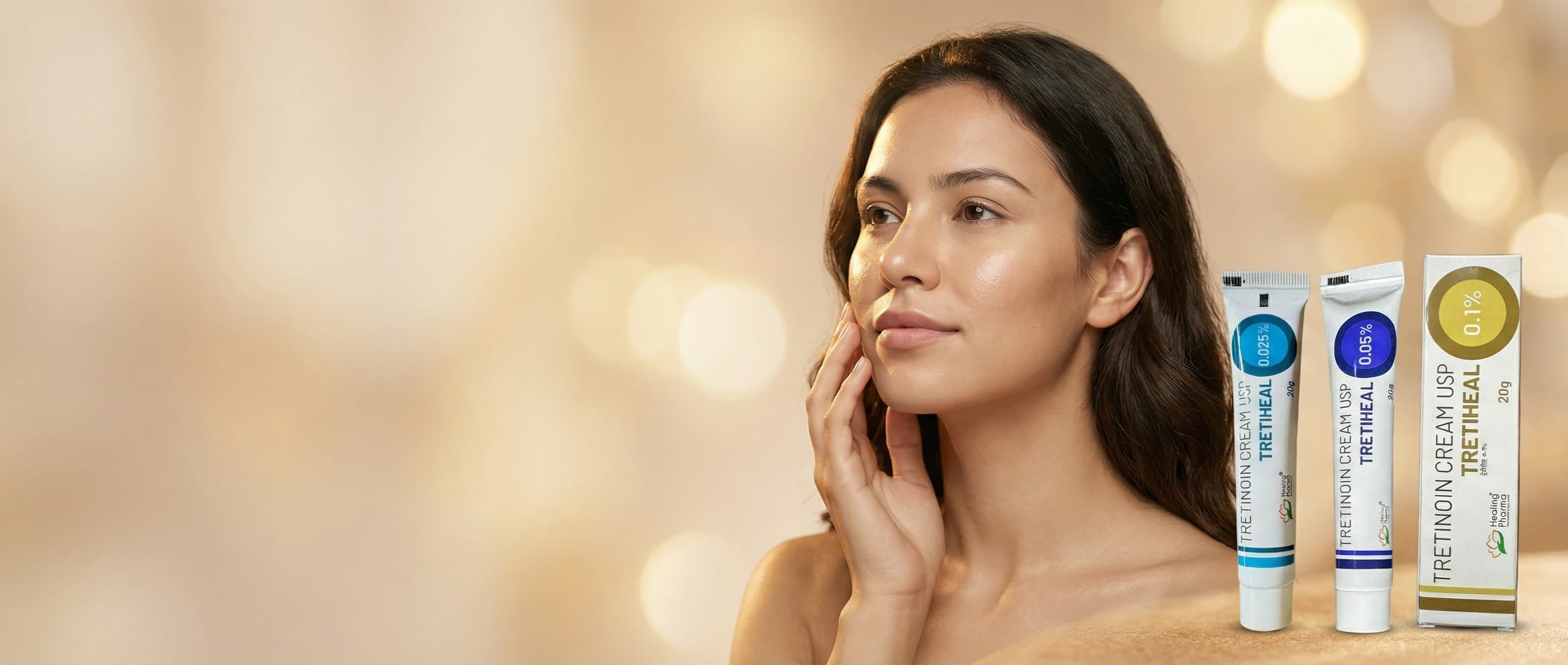
Many pigmentation focused routines also compare tretinoin cream 0.05% because it is commonly explored for uneven texture, acne marks, and skin renewal support. This pairing may help stubborn melasma or PIH, but it can also increase dryness, redness, and irritation. Many users also read Guide for Tretinoin Cream 0.025% vs 0.05% vs 0.1% articles before choosing a retinoid strength for pigmentation support. According to our findings, skin barrier monitoring matters, and alternating routines are sometimes used to lower irritation risk.
Why Darker Skin Tones Need a More Careful Approach to Pigmentation
Darker skin tones can produce more visible pigment after acne, irritation, or inflammation. This is why PIH may last longer in South Asian, Black British, and Middle Eastern skin tones. Stronger treatments are not always safer, especially if they cause redness, peeling, or skin barrier stress. According to our findings, patch testing and realistic pacing matter more than rushing into aggressive routines.
Realistic Expectations: What Many People Misunderstand About Pigmentation
Pigmentation usually fades slowly, especially melasma and post-inflammatory hyperpigmentation (PIH). Many people feel frustrated when dark spots improve slightly, then return again after UV exposure, heat, or irritation. According to our findings, consistency, sunscreen use, and skin barrier care matter more than constantly switching to stronger treatments. One cream cannot permanently change natural skin tone, and overnight expectations often lead to overuse, redness, and worsening discoloration instead of gradual improvement. Some users also explore hair loss solutions routines alongside broader skincare and self care concerns.
When Professional Advice May Be Worth Considering
Professional advice may help when melasma keeps returning, pigmentation becomes darker, or irritation does not settle. It can also be useful for uncertain diagnosis, mixed skin conditions, hormonal triggers, or deeper discoloration that does not respond to regular skincare. According to our findings, not every dark patch behaves the same way, especially in sensitive or darker skin tones.
FAQs
Is hydroquinone cream allowed in the UK?
Hydroquinone is a regulated ingredient in the UK, especially in stronger concentrations used for hyperpigmentation and melasma treatment.
Is hydroquinone good for melasma?
Hydroquinone is commonly used for melasma because it targets excess melanin production linked with dark patches.
Can hydroquinone remove acne marks?
It may help certain brown acne marks or post-inflammatory hyperpigmentation (PIH), but not every type of discoloration responds the same way.
Can darker skin tones use hydroquinone?
Yes, but darker skin tones may need a more careful approach because inflammation-driven pigmentation can last longer.
What happens if I use hydroquinone too long?
Unsafe prolonged use may increase irritation, uneven discoloration, and rare complications like exogenous ochronosis.
Is azelaic acid safer than hydroquinone?
Azelaic acid is often considered gentler for sensitive or acne-prone skin, though results may be slower for stubborn pigmentation.
Do I need SPF in the UK while using hydroquinone?
Yes. UV exposure and visible light can still worsen hyperpigmentation, even during cloudy UK weather.
Why does pigmentation come back after treatment?
Pigmentation may return after sun exposure, heat, irritation, or stopping sunscreen and maintenance care too early.
Can hydroquinone make dark spots worse?
Overuse, irritation, or skin barrier damage may worsen discoloration in some cases.
What is the difference between melasma and post-acne pigmentation?
Melasma is usually linked with hormones and UV exposure, while post-acne pigmentation develops after inflammation or breakouts.
Can over-exfoliation trigger hyperpigmentation?
Yes, Excessive exfoliation can damage the skin barrier and increase inflammation-driven pigmentation.
Can visible light worsen hyperpigmentation?
Visible light may worsen melasma and discoloration in some people, especially darker skin tones.
Are all dark spots treated the same way?
No, Melasma, acne marks, sun spots, and redness can behave differently and may not respond to the same treatment approach.
Conclusion
Hyperpigmentation often needs patience, not stronger products every week. Melasma, acne marks, and uneven skin tone can return when irritation, UV exposure, or skin barrier damage continue. According to our findings, consistent sunscreen use, realistic pacing, and careful treatment choices matter more than chasing overnight results. Many users also browse shop all skincare products sections when comparing pigmentation support, sunscreen, and skin barrier care products together.