Is Skinshine Cream Used for Melasma, Dark Patches and Pigmentation?
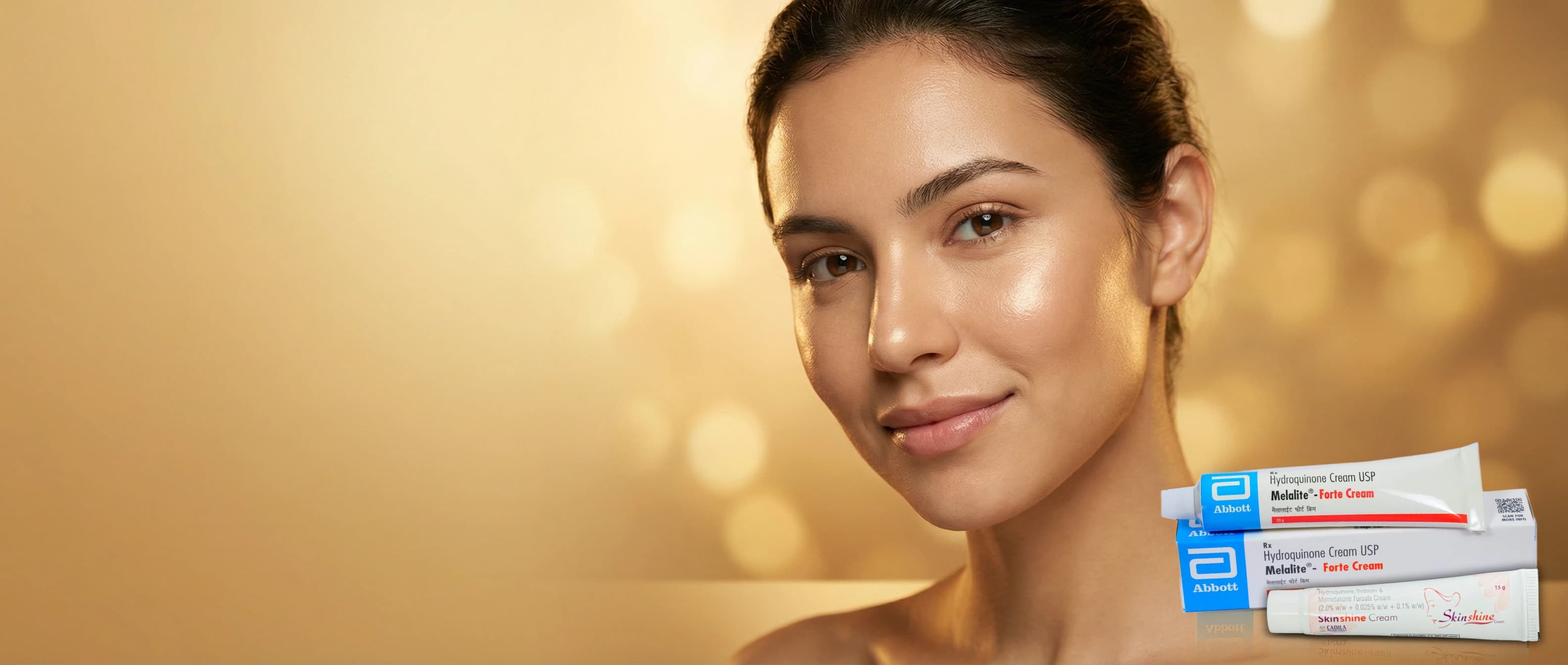
Hydroquinone, tretinoin and mometasone furoate Skinshine cream is usually discussed in relation to facial pigmentation concerns such as melasma, stubborn dark patches, and uneven skin tone.
Hydroquinone, tretinoin and mometasone furoate Skinshine cream is usually discussed in relation to facial pigmentation concerns such as melasma, stubborn dark patches, and uneven skin tone. It is not a general beauty cream or an everyday brightening product. Instead, it combines three active ingredients that are used in medical skincare to address different factors linked with pigmentation.
Many people start looking into this type of cream when dark marks remain visible for months or keep returning despite using standard skincare products. Melasma, post-inflammatory hyperpigmentation, and patchy facial discoloration can be difficult to manage because several skin processes are involved at the same time.
One important point is that this cream contains a topical steroid alongside hydroquinone and tretinoin. For that reason, it requires more caution than standard skincare products. Sunscreen also plays an important role, as UV exposure can worsen pigmentation and affect treatment outcomes.
In this guide, we explain what hydroquinone, tretinoin and mometasone furoate Skinshine cream is used for, how it relates to melasma and dark patches, and why medical guidance is often recommended before using a triple-combination pigmentation treatment.
What Is Skinshine Cream Used For?

Skinshine cream is mainly used for facial pigmentation concerns such as melasma, stubborn dark patches, and uneven skin tone. It is often discussed when pigmentation becomes difficult to manage with basic skincare alone.
In some cases, it may also be used for post-inflammatory hyperpigmentation. These are dark marks that remain after acne, skin irritation, or other inflammatory skin conditions. The goal is to improve the appearance of localized pigmentation rather than lighten the entire face.
This type of triple-combination cream is generally associated with short-term pigmentation management under medical guidance. Many people searching for melasma treatments come across hydroquinone, tretinoin, and corticosteroid combinations because they target several pigmentation-related processes at the same time.
What It Is Not Meant For
Skinshine cream is often misunderstood as a general skin-brightening product, but that is not its purpose.
It is not intended for:
-
Daily glow or complexion boosting
-
Whole-body skin lightening
-
Normal moisturizing or hydration
-
General acne treatment
-
Long-term cosmetic use
Our analysis shows that many users confuse pigmentation treatments with everyday skincare products. This can lead to unrealistic expectations and unnecessary misuse. Skinshine cream is usually linked with specific facial pigmentation concerns rather than routine cosmetic skincare.
Why This Cream Contains Three Ingredients

Melasma and other forms of facial pigmentation do not develop from a single cause. Excess pigment production, slow skin renewal, and inflammation can all play a role. This is why triple-combination creams contain more than one active ingredient. Each ingredient focuses on a different part of the process.
Hydroquinone and Excess Melanin
Hydroquinone is included because it targets excess melanin production. Melanin is the natural pigment that gives skin its colour. When melanocytes produce too much melanin in certain areas, dark patches and brown marks can become more visible.
This process is common in conditions such as melasma and post-inflammatory pigmentation. Hydroquinone Cream for Dark Spots in the UK may be discussed for selected pigmentation concerns, but the cause of the dark patch should be understood before treatment is chosen. By reducing excess pigment activity, hydroquinone helps address the uneven colour changes that make facial pigmentation noticeable.
Tretinoin and Skin Cell Turnover
Tretinoin is a retinoid that supports skin renewal. As skin naturally renews itself, older cells move towards the surface and are replaced by newer ones. Pigmentation can appear more noticeable when old pigmented cells remain on the skin for longer periods. Tretinoin helps support this renewal process.
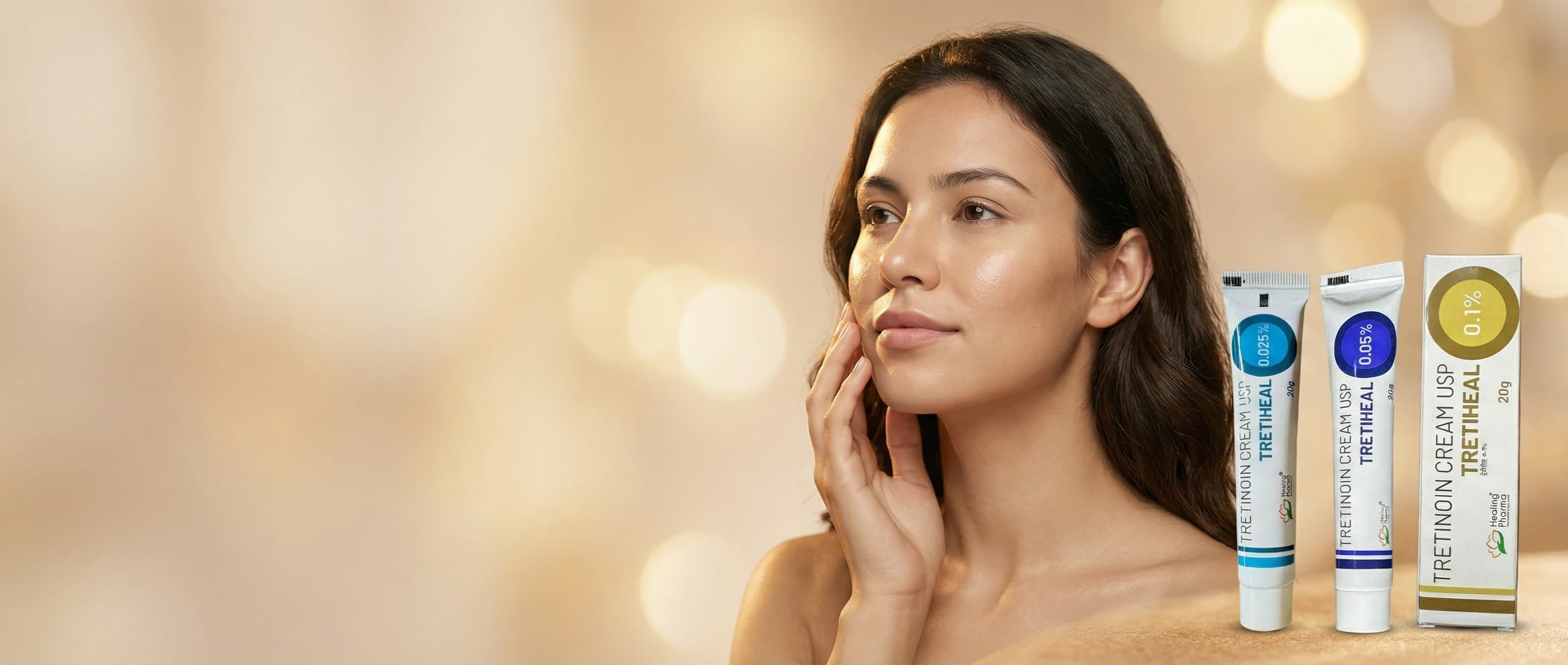
Comparing Tretinoin 0.025% vs 0.05% vs 0.1% can help users understand how strength may affect renewal, irritation risk, and long-term tolerance. As skin turnover improves, old pigmented cells gradually shed and fresh cells replace them.
Tretinoin Gel for Dark Marks may be discussed when pigmentation appears with clogged pores or oily skin, but irritation risk still needs careful attention. This may also help improve the appearance of skin texture over time. Search terms such as Tretinoin Creams for Wrinkles may appear during product research, but wrinkle care and pigmentation care should still be treated as different goals.
However, tretinoin can increase irritation risk in some users, especially during the early stages of use. Tretinoin Strength for Acne and Anti-Aging should be selected according to skin tolerance and treatment goal rather than choosing the strongest option first.
Mometasone Furoate and Inflammation
Mometasone furoate is a corticosteroid. It is included to help control inflammation that can occur alongside pigmentation treatment. Redness, swelling, and irritation may affect how well the skin tolerates active ingredients.
By helping calm inflammatory responses, the corticosteroid component can improve treatment tolerance in the short term. This ingredient also explains why steroid caution is important when discussing triple-combination creams. Long or inappropriate use of topical steroids may increase the risk of skin thinning and other unwanted effects.
According to guidance from the American Academy of Dermatology, triple-combination melasma treatments commonly combine hydroquinone, tretinoin, and a corticosteroid because each ingredient addresses a different factor involved in pigmentation management.
Which Skin Concerns May It Be Used For?

Melasma on the Cheeks, Forehead, Upper Lip, or Jawline
Melasma is one of the main reasons people search for hydroquinone, tretinoin, and mometasone furoate creams. It often appears as brown or grey-brown patches on the cheeks, forehead, upper lip, or jawline. These patches usually have a symmetrical pattern and can become more noticeable over time.
Several factors can contribute to melasma. Hormonal changes, sunlight exposure, and genetic factors are among the most common triggers. One challenge with melasma is that it often returns. Even after visible improvement, recurring pigmentation can develop again if the underlying triggers remain active. Skin Brightening creams for melasma should be chosen carefully because recurring patches often need SPF, trigger control, and skin tolerance checks.
Stubborn Hyperpigmentation
Some forms of hyperpigmentation do not fade easily with time or basic skincare products. Dark patches may remain visible for months and can become more noticeable after sun exposure or skin irritation.
People dealing with stubborn hyperpigmentation often describe uneven tone, patchy discoloration, or repeated flare-ups in the same areas. These concerns can affect confidence, especially when pigmentation sits in highly visible facial areas.
Post-Acne Dark Marks
Post-acne dark marks are another form of pigmentation that may be discussed alongside this type of treatment. These marks appear after a breakout has healed and can remain long after active spots disappear.
It is important to separate pigmentation from active acne. If inflamed pimples are still present, acne management usually becomes the priority. Acne Treatments for clogged pores may be more relevant when blackheads, whiteheads, or recurring breakouts continue alongside dark marks.
Triple-combination creams are generally associated with pigmentation concerns rather than ongoing breakouts. A comparison of Azelaic Acid vs Tretinoin for Acne may be more useful when active breakouts, redness, clogged pores, and post-acne marks appear together. In some users, steroid misuse may worsen acne-like spots, which is why self-treatment should be approached carefully.
What About Acne Scars?
Many people use the terms acne marks and acne scars interchangeably, but they are not the same thing. Understanding Acne Marks vs Dark Spots can help separate flat colour changes from pitted scars, melasma, and active breakouts.
Dark marks are colour changes left behind after inflammation. Acne scars are structural changes in the skin. They may appear as pits, depressions, or uneven texture.
This difference matters because pigmentation treatments mainly focus on colour-related concerns. Pitted acne scars do not respond in the same way because the issue is linked to changes in skin structure rather than excess pigment alone.
Why UK Users Should Be Careful With Triple-Combination Creams
The Steroid Part Changes the Risk
One reason this type of cream requires extra care is the presence of mometasone furoate. Unlike moisturizers, cleansers, or standard pigmentation products, mometasone is a topical corticosteroid. It is included for a specific medical purpose and is not considered a routine skincare ingredient.
Facial skin is thinner and more sensitive than many other areas of the body. Because of this, long-term or inappropriate use of steroid-containing products can increase the risk of unwanted skin changes. This is one reason triple-combination creams are usually discussed as short-term treatments rather than everyday skincare products.
Skin Thinning, Visible Veins, and Rebound Redness
Topical steroids can be helpful in certain situations, but they also require caution. According to guidance from the UK Medicines and Healthcare products Regulatory Agency (MHRA), excessive or prolonged use of topical steroids may contribute to skin thinning, changes in skin colour, increased skin fragility, and steroid withdrawal reactions in some cases.
Some people may notice visible blood vessels becoming more noticeable over time. Others may develop persistent redness or skin sensitivity after extended misuse. While these effects are not expected with appropriate short-term use, they highlight why stronger steroid-containing creams should not be treated as long-term cosmetic products.
Pregnancy, Breastfeeding, and Sensitive Skin
Pregnant or breastfeeding individuals should not start a triple-combination cream without professional advice. The presence of tretinoin and a corticosteroid means extra consideration is needed before use.
People with sensitive skin, eczema-prone skin, or a history of strong reactions to skincare products should also take care. Skincare Essentials for Sensitive Skin can help support the barrier before stronger pigmentation treatments are considered. Active irritation can affect how well the skin tolerates treatment.
Broken, damaged, or inflamed skin should never be treated casually with strong pigmentation creams. When the skin barrier is already compromised, irritation may become more difficult to manage and pigmentation concerns can sometimes become more noticeable rather than improve.
Why Sunscreen Matters With This Type of Cream

UV Can Bring Pigmentation Back
Sunscreen is one of the most important parts of pigmentation management. Many people focus on treatment creams but underestimate the effect of daily UV exposure.
Both UVA and UVB rays can affect pigmentation. UVA rays penetrate deeper into the skin and are present throughout the year, even during cloudy UK days. UVB rays are more closely linked with sunburn, but they can also contribute to pigment changes.
This matters because melasma often reacts strongly to sunlight. Even when dark patches start to fade, ongoing UV exposure can trigger melasma relapse and make pigmentation more noticeable again. Triple-combination creams can also increase sun sensitivity, which means the skin may react more easily to UV exposure during treatment.
Why Treatment May Fail Without SPF
Many pigmentation concerns have ongoing triggers. If UV exposure continues without protection, the process that contributes to excess pigment production remains active.
As a result, new marks can form while older pigmentation is still being treated. This can make progress appear slower or less noticeable. We found that many people blame the treatment itself when the real issue is inconsistent sun protection.
Irritation can also play a role. Unprotected skin is more likely to become inflamed after UV exposure, and inflammation can contribute to darker post-inflammatory marks in some individuals. This is one reason sunscreen is often considered a long-term part of pigmentation management, even after visible improvement has occurred.
How to Know If This Cream Might Not Suit You
Not every pigmentation treatment is suitable for every skin type or skin concern. Before considering a triple-combination cream, it helps to look at your skin history and current condition.
The following checklist can help identify situations where extra caution may be needed:
-
You have active inflamed acne with ongoing breakouts
-
You experience rosacea-like redness, flushing, or persistent facial sensitivity
-
Your skin reacts easily to new products or active ingredients
-
You are currently having an eczema flare or have poorly controlled eczema
-
You are pregnant or breastfeeding
-
You have had previous reactions to topical steroid creams
-
Your skin became darker after using previous lightening or pigmentation treatments
-
You experienced significant irritation, peeling, burning, or redness from retinoids such as tretinoin or retinol
One concern that is often overlooked is irritation-related pigmentation. We found that some people focus only on fading dark marks and ignore the reason those marks developed in the first place. If a product repeatedly causes redness, burning, or inflammation, pigmentation may become more difficult to manage.
People with sensitive skin or a history of strong reactions should take extra care. Skin Relief Creams for Dermatitis & Infections may be considered for separate skin concerns, but inflamed or infected skin should be assessed before strong pigmentation creams are used. In these situations, understanding the cause of the pigmentation is often just as important as choosing a treatment.
Common Mistakes UK Users Make With Pigmentation Creams

Treating Melasma Like a Normal Dark Spot
One of the most common mistakes is assuming that all pigmentation is the same. Melasma behaves differently from a single dark mark left behind after a spot or minor irritation.
Melasma often has deeper triggers linked to sunlight, hormones, and ongoing pigment activity. This is one reason it can return even after visible improvement. Treating melasma as if it were a simple dark spot may lead to disappointment and repeated flare-ups.
Using Too Much Cream
Many people believe that applying more cream will produce faster results. In reality, using excessive amounts can increase irritation without improving outcomes.
When the skin becomes irritated, redness, dryness, and discomfort may follow. This can make pigmentation concerns harder to manage and may increase the likelihood of treatment-related problems.
Skipping SPF on Cloudy Days
A common UK misconception is that sunscreen is only needed during sunny weather. However, UVA rays remain present throughout the year and can pass through clouds.
For people dealing with melasma or facial pigmentation, inconsistent SPF use may allow pigment triggers to remain active. This can slow progress and increase the chance of pigmentation returning.
Using Strong Actives Together
Some users combine multiple strong ingredients at the same time in an attempt to speed up improvement. When browsing All skincare product categories, avoid building a routine with several strong activities unless each product has a clear purpose.
Examples may include using several exfoliating acids, retinoids, peeling products, and pigmentation treatments together.
While this approach may seem logical, it often increases irritation risk. Skin that becomes inflamed or over-processed may struggle to tolerate treatment properly.
Continuing Through Burning
Mild adjustment reactions can occur with active skincare, but persistent burning, significant redness, swelling, or worsening irritation should not be ignored.
Our analysis shows that many treatment setbacks begin when people continue applying strong products despite clear signs that their skin is struggling. Paying attention to early warning signs can help prevent unnecessary skin stress and reduce the risk of pigmentation becoming more noticeable.
FAQs of Skinshine Cream for Melasma and Pigmentation
What is Skinshine cream used for?
Skinshine cream is mainly associated with facial pigmentation concerns such as melasma, stubborn dark patches, uneven skin tone, and certain forms of post-inflammatory hyperpigmentation. It is a triple-combination cream that combines hydroquinone, tretinoin, and mometasone furoate.
Is hydroquinone, tretinoin and mometasone furoate cream used for melasma?
Yes. Melasma is one of the most common reasons this type of cream is discussed. Melasma often appears as brown or grey-brown patches on the cheeks, forehead, upper lip, or jawline. Triple-combination creams are commonly linked with short-term melasma management because they target several pigmentation-related processes at the same time.
Can Skinshine cream remove acne marks?
It may be discussed for post-acne dark marks when pigmentation is the main concern. However, dark marks and acne scars are different. Dark marks involve excess pigment, while scars involve changes in skin texture. The response can vary depending on the type and cause of the mark.
Is Skinshine cream a steroid cream?
It contains mometasone furoate, which is a topical corticosteroid. This means it is not the same as standard brightening creams or routine skincare products. The steroid component is one reason extra caution is needed, especially with long-term use.
Can this cream make acne worse?
In some people, inappropriate or prolonged use of topical steroids may contribute to acne-like breakouts. If active acne is your main concern, it is important to identify whether you are treating ongoing spots or pigmentation left behind after spots have healed.
Why do I need sunscreen with this cream?
Hydroquinone and tretinoin are commonly associated with increased sun sensitivity. UV exposure can also trigger melasma and other forms of pigmentation. Without daily sun protection, dark patches may return and treatment outcomes may be less predictable.
Can I use it on dark spots around the mouth?
Pigmentation around the mouth can have several causes, including post-inflammatory hyperpigmentation, melasma, irritation, or other skin conditions. Identifying the cause is important before choosing any treatment, as not all dark patches respond in the same way.
Is it safe for sensitive skin?
People with very sensitive skin may be more likely to experience irritation, redness, dryness, or discomfort from strong active ingredients. If your skin reacts easily to skincare products, extra care is usually needed before using a triple-combination cream.
What should I do if my skin burns or peels badly?
Significant burning, swelling, persistent redness, or worsening irritation should not be ignored. If these reactions occur, stop using the product and seek advice from a healthcare professional before continuing. Continuing through severe irritation can make skin problems more difficult to manage.
Is this cream the same as a normal brightening cream?
No, Skinshine cream is not a standard cosmetic brightening product. It contains hydroquinone, tretinoin, and a corticosteroid, which are active ingredients commonly associated with medical pigmentation treatment. This makes it different from everyday skincare products designed for hydration or general radiance.
Conclusion
Skinshine cream is mainly linked with melasma, facial dark patches, uneven tone, and post-acne pigmentation. It is not a normal brightening cream or daily skincare product. Because it contains hydroquinone, tretinoin, and a corticosteroid, it needs careful use and good sun protection.
The main point is to understand the type of pigmentation first, because dark marks, active acne, and acne scars are not the same. Readers comparing pigmentation care, SPF, and barrier support options can also review related skincare categories on https://skincareproduct.co.uk/ before choosing a routine.