Azelaic Acid and Salicylic Acid: Which Works Better for Acne Marks?
For flat brown acne marks and uneven tone, azelaic acid is often the better starting point. It is more closely linked with visible tone support after spots have settled.
The spot may be gone, but the mark can stay behind for weeks. That is where choosing the right ingredient matters. For flat brown acne marks and uneven tone, azelaic acid is often the better starting point. It is more closely linked with visible tone support after spots have settled.
Based on our findings, salicylic acid fits a different problem. It makes more sense when oily skin, blackheads, whiteheads, and clogged pores keep triggering new spots. Some routines can include salicylic acid and azelaic acid, but they do not always need to sit together.
If your main concern is marks left behind, start with the ingredient that supports tone. If new breakouts keep forming, focus first on keeping pores clear. This keeps the routine simple and helps lower the chance of dryness or irritation.
Acne marks are not always the same as acne scars

Many people call every leftover mark an acne scar, but they are different. This matters because salicylic acid and azelaic acid do not work the same way for colour and texture. Understanding Acne Marks vs Dark Spots can help separate flat post acne pigmentation from redness, melasma, and textured acne scars. Our analysis shows that most UK readers searching this topic need help with flat marks first, not deep scars.
Flat brown marks after spots
Flat brown marks are often linked to post inflammatory hyperpigmentation. This can happen when a spot triggers extra pigment after the skin has been inflamed. The mark sits as a change in colour on the skin. It is not a hole, dent, or raised area. Azelaic acid is often the better fit when uneven tone is the main concern.
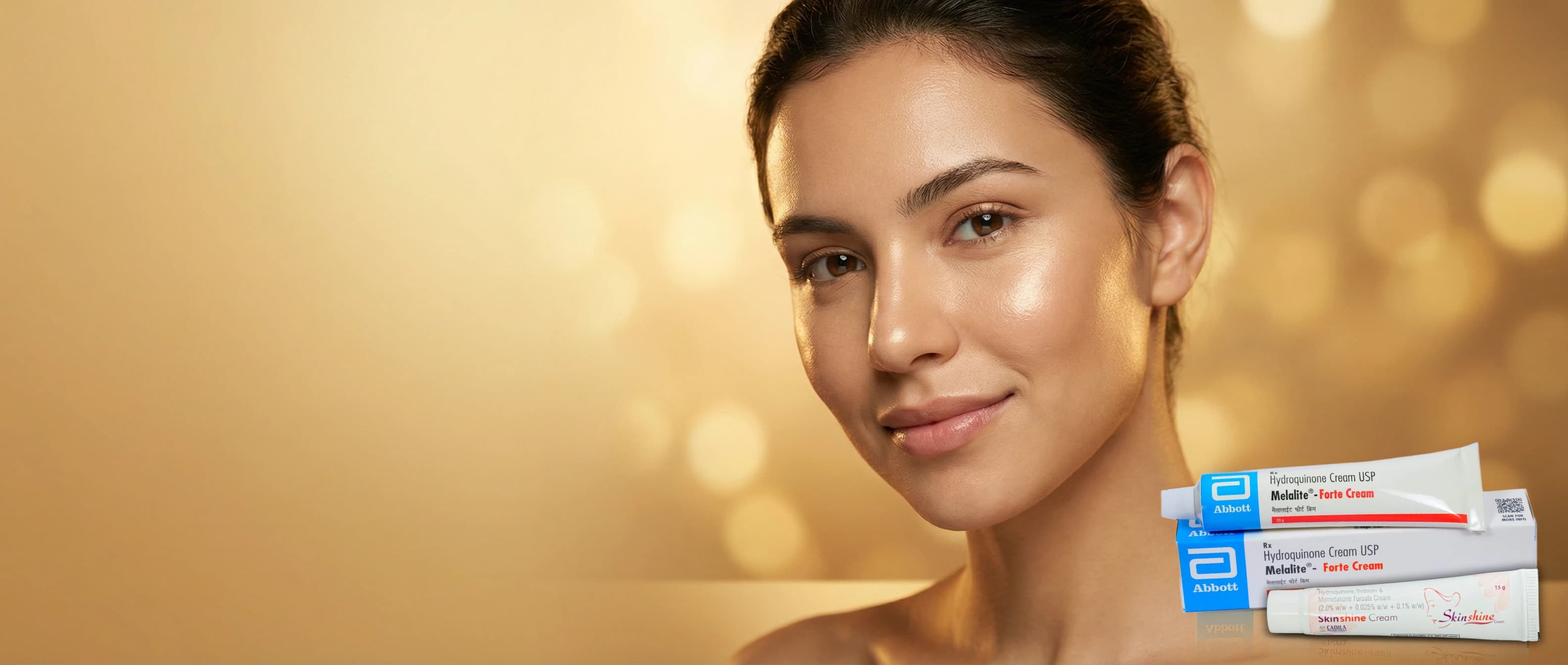
Skinshine Cream uses for Melasma, Dark Patches & Acne Marks is a separate pigmentation topic, so it should not be confused with basic care for clogged pores or active breakouts.
Red or pink marks after spots
Some spots leave red or pink marks instead of brown ones. These marks can appear after redness and swelling have settled. They may look stronger when skin feels hot, irritated, or freshly washed. In this case, the aim is to keep the skin calm and avoid more irritation.
Pitted scars and raised scars
Pitted scars and raised scars are different because they affect skin texture, not just colour. Acids can sometimes make rough skin look smoother, but they should not be expected to remove true scars. If scars are deep, raised, painful, or changing, it is better to speak with a qualified skin professional.
Visit Also: Best Tretinoin Creams for Wrinkles
What salicylic acid does better

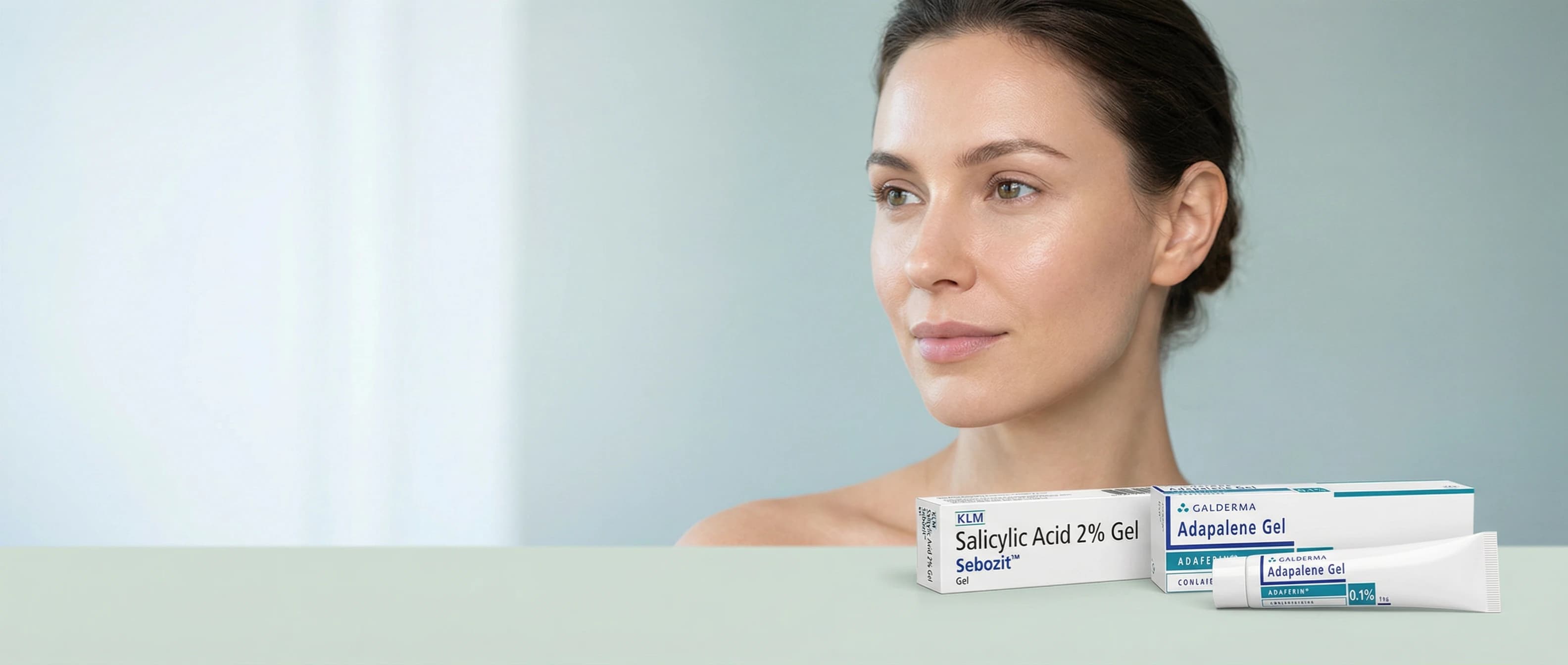
Sebozit Salicylic acid is usually the better fit when acne starts with oil and blocked pores. It helps most when the skin feels greasy, congested, or bumpy.
It suits clogged pores and oily skin
Salicylic acid is a beta hydroxy acid, also called a BHA. It is oil soluble, so it can move through sebum inside the pore. This makes it useful for blackheads, whiteheads, and pores that feel blocked.
When excess oil and dead skin build up, spots can form more easily. Salicylic acid helps keep that buildup from sitting inside the pore for too long.
It helps reduce repeat breakouts
We found that salicylic acid makes the most sense when new spots keep appearing in the same oily areas. Fewer blocked pores can mean fewer fresh pimples. Fewer fresh pimples may also mean fewer new marks after acne settles.
A Salicylic Acid Vs Benzoyl Peroxide for Acne Marks comparison may help when deciding whether clogged pores or inflamed pimples are creating most of the leftover marks.
This is why salicylic acid often fits people who deal with acne marks and active breakouts at the same time.
Where salicylic acid is not enough
Salicylic acid is not always the best first choice for stubborn brown marks after spots have already healed. If the main issue is colour, azelaic acid may fit that concern better.
Salicylic acid can also dry the skin if used too often. If skin feels tight, flaky, or sore, the routine may need to be reduced.
Explore also: Best Tretinoin Gels for Texture and Clogged Pores
What azelaic acid does better

Azelaic acid is usually the better fit when the spot has settled, but the mark remains. A comparison of Azelaic Acid vs Tretinoin for Dark Marks may help when choosing between calmer tone support and stronger skin renewal. It works best when the main concern is uneven colour, not heavy pore blockage.
It suits post acne discoloration
Post acne marks often come from extra pigment after inflammation. This pigment is linked to melanin, which gives skin its colour. Azelaic acid helps with this concern by acting on tyrosinase, an enzyme involved in pigment activity.
In simple terms, azelaic acid is more focused on tone than oil. This makes it useful for flat brown marks and uneven skin after breakouts.
It may suit redness prone skin
Azelaic acid can also suit skin that looks red or easily irritated after spots. It is often chosen when acne marks appear with visible redness or a rough looking tone.
Based on our findings, this makes azelaic acid a good option for readers who want a calmer looking routine. It still needs steady use and good skin care habits.
Where azelaic acid is not enough
Azelaic acid does not clear heavy blackhead congestion as directly as salicylic acid. If pores feel blocked and oily areas keep breaking out, salicylic acid may be the better first step.
For many people, the choice is not about which ingredient sounds stronger. It is about whether the skin needs pore care, tone care, or both.
Read about: Best Skin Brightening Products for Post-Acne Marks
Salicylic acid vs azelaic acid by concern
|
Concern |
Better first choice |
Why |
|
Blackheads |
Salicylic acid |
It helps when oil and dead skin collect inside pores. |
|
Whiteheads |
Salicylic acid |
It suits small closed bumps linked with blocked pores. |
|
Oily T zone |
Salicylic acid |
It fits areas where excess sebum and shine are the main issue. |
|
Active breakouts |
Salicylic acid |
It helps when new spots keep forming from pore buildup. |
|
Brown acne marks |
Azelaic acid |
It is more focused on uneven colour after spots have settled. |
|
Red marks |
Azelaic acid |
It may suit skin that looks red or easily irritated after acne. |
|
Sensitive skin |
Azelaic acid |
It is often easier to fit into a calmer routine. |
|
Rough texture |
Salicylic acid |
It can help when roughness comes from clogged pores and congestion. |
|
Combination skin |
Depends on the concern |
Use salicylic acid for oily clogged areas and azelaic acid for marks. |
|
Marks plus new breakouts |
Both may help |
One supports pores while the other supports uneven tone. |
Can you use salicylic acid and azelaic acid together?

Yes, salicylic acid and azelaic acid can fit into the same skincare essential plan. The safer question is how often your skin can handle both. For many UK readers, the best approach is to use them with care instead of adding everything at once.
When using both can make sense
Using both can make sense when acne and marks happen together. For example, salicylic acid may suit oily areas with blocked pores, while azelaic acid may suit leftover uneven colour.
This pairing may also help when blackheads, whiteheads, and redness appear at the same time. Based on our findings, this is common in people who get new breakouts before older marks have faded.
Why spacing them out is often easier
Beginners and sensitive skin types may do better when the two actives are separated. This gives the skin more time to adjust and makes irritation easier to spot.
You do not need to use both in one session to get value from them. A spaced approach can still support pores, tone, and skin comfort without making the routine feel too strong.
What to avoid when using both
Avoid adding too many acids into the same routine. Strong scrubs, harsh exfoliating products, and frequent active use can leave skin dry or sore.
Do not ignore stinging, tightness, peeling, or burning. A Tretinoin 0.025% vs 0.05% vs 0.1% comparison can help users understand why retinoid strength should match skin tolerance, not just acne or dark mark goals. These signs can mean your skin barrier needs a break. Also, do not skip SPF during the day, as UV exposure can make acne marks look darker for longer.
Readers asking Which Tretinoin Strength is Best for Acne, Dark Spots, and Anti-Aging? should treat that as a separate retinoid strength question before adding more active products.
Visit also: Best Hair Loss Solutions for Scalp Care
UK skincare routine logic for acne marks
A good acne mark routine does not need many steps. It needs the right focus at the right time. For UK skin concerns, skincareproduct.co.uk should guide readers toward steady care, not harsh treatment stacking.
Morning routine focus
In the morning, keep the routine calm and protective. Use a gentle cleanse if your skin feels oily or heavy. If your skin feels dry, rinsing with water may be enough.
Follow with moisturiser to keep the skin barrier comfortable. Then use SPF during daylight. Cloudy UK weather can still expose skin to UV, which may make acne marks look darker for longer.
Evening routine focus
Evening is the better time to use active steps with care. This is when many people choose pore care or tone support. The key is to avoid stacking too many treatments at once.
If you use salicylic acid and azelaic acid in the same skincare plan, keep the routine simple. Your skin should feel settled, not tight or sore. A comfortable barrier helps marks look calmer over time.
When to pause actives
Pause actives if your skin feels tight, starts peeling, or burns after application. Ongoing irritation is a sign that the routine may be too strong.
Give the skin time to settle before adding active ingredients again. If irritation continues, seek advice from a qualified skin professional.
Common mistakes that make acne marks last longer

Acne marks often fade slowly, but some habits can make them look darker for longer. The aim is to reduce fresh inflammation and protect the skin while it settles.
Picking spots
Picking spots can push inflammation deeper into the skin. It can also break the surface and raise the chance of a darker mark after healing.
We found this is one of the most common reasons acne marks keep returning. Even a small spot can leave a stronger mark if it is squeezed or scratched.
Treating scars and marks as the same issue
Acne marks are colour changes. They may look brown, red, or pink after a spot has settled. Acne scars are texture changes, such as dents, pits, or raised areas.
This difference matters because salicylic acid and azelaic acid mainly support pores, tone, and surface texture. They should not be treated as a fix for deeper scars.
Using acids too often
Using acids too often can make skin look worse, not better. Too much exfoliation may cause dryness, peeling, redness, or stinging.
When the skin barrier feels stressed, marks can look more visible. A slower routine is often easier to stay with than a strong routine that causes irritation.
Skipping sunscreen
Sunscreen matters even when the weather looks grey. UV exposure can keep acne marks darker for longer and may slow visible improvement.
If you are using salicylic acid or azelaic acid for acne marks treatment, daily SPF either it is sunroof lotion spf 50 or UV Doux Gel helps protect the progress you are trying to make.
Which one should you choose first?
Choose salicylic acid first if clogged pores, oil, blackheads, or whiteheads are your main concern. It fits skin that keeps forming new spots, especially around the nose, chin, and forehead. If you reduce fresh breakouts, you may also reduce the chance of new acne marks.
Choose azelaic acid first if the spot has gone but the mark remains. Hydroquinone Cream for Melasma and Hyperpigmentation in UK may be discussed for stubborn pigmentation, but it should be treated as a separate dark mark topic rather than a basic acne active.
It is often the better match for flat brown marks, uneven colour, and skin that looks red after acne. This makes it useful when tone is the bigger concern than oil.
Choose a spaced routine if both breakouts and marks are present. You do not need to use every active at once. A slower plan can support pores and tone while keeping the skin barrier more comfortable.
If acne is painful, persistent, or leaving deep marks, speak with a qualified skin professional. Also seek advice if your skin burns, swells, or stays irritated after using active ingredients.
FAQs of Salicylic Acid and Azelaic Acid
Is salicylic acid or azelaic acid better for acne marks?
Azelaic acid is usually the better choice for flat brown acne marks and uneven colour. Salicylic acid is better when clogged pores, blackheads, whiteheads, and oily skin keep causing new spots. If your acne marks come from repeat breakouts, salicylic acid may help by reducing new pore blockage first.
Can I use salicylic acid and azelaic acid together?
Yes, many people can use salicylic acid and azelaic acid in the same skincare plan. The key is to avoid doing too much at once. If your skin is new to actives, spacing them out is often easier than using both in one routine.
Which should I use first, salicylic acid or azelaic acid?
Use salicylic acid first if blocked pores and oil are the main issue. Use azelaic acid first if the spot has healed but the mark remains. If both concerns are present, start with the concern that bothers you most.
Is azelaic acid better than salicylic acid for dark marks?
Azelaic acid is often a better fit for dark marks because it is linked with uneven tone support. It may suit flat brown marks left after acne. Salicylic acid can still help if new spots keep forming and leaving fresh marks.
Can salicylic acid fade acne marks?
Salicylic acid may help acne marks look less visible when rough texture and clogged pores are involved. It is not the most direct choice for stubborn brown marks after acne has cleared. For colour focused marks, azelaic acid often fits better.
Can I use both if I have sensitive skin?
You may be able to use both, but sensitive skin needs a slower approach. Start with one active first and watch how your skin reacts. If you notice burning, peeling, or lasting redness, reduce use and keep the routine simple.
Do I still need SPF in the UK when treating acne marks?
Yes. SPF matters during daylight, even when the UK weather is cloudy. UV exposure can make acne marks look darker for longer. Daily sunscreen helps protect the progress you are trying to make.
Conclusion
Salicylic acid and azelaic acid can both help acne prone skin, but they suit different concerns. Choose salicylic acid first if oil, blackheads, whiteheads, and clogged pores keep causing new spots. Choose azelaic acid first if the spot has healed but flat brown marks, red marks, or uneven colour remain.
Some people may benefit from using both, especially when breakouts and marks happen at the same time. The key is to keep the routine simple, space actives when needed, and protect the skin barrier. Daily SPF also matters in the UK, even on cloudy days, because UV exposure can keep acne marks darker for longer. If acne is painful, persistent, or causing deeper scars, seek advice from a qualified skin professional.